Why Listicles Work So Well for Content Marketing And AI Search

Listicles work because they match how people and machines read: fast, in chunks, looking for the one item that answers their question. A numbered list post is easy to scan, easy to share, and easy for AI search tools to lift and cite. That is why the format keeps showing up in Google results and in ChatGPT answers. The catch: thin roundups get skipped by readers and ignored by LLMs, so you pay for content that earns nothing.
What the Listicle Format Is and Why Readers Keep Clicking
The listicle format is an article built around a numbered or bulleted set of items, each with its own short heading and explanation. The title tells readers exactly what they get, like “7 Ways to Cut Churn.”
That promise lowers the effort of starting. Readers can jump to item four, skim the rest, and still leave with something useful. Each item works as a standalone unit, so nobody has to read top to bottom to get value.
From BuzzFeed to B2B SaaS: Types of Listicles
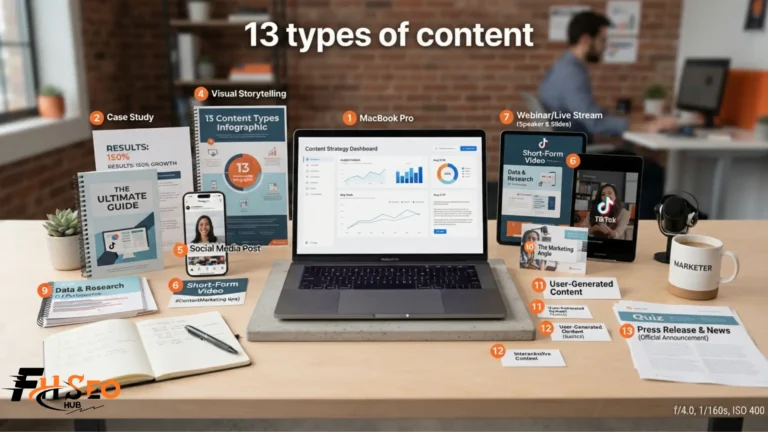
BuzzFeed made the format famous; B2B SaaS teams now use it heavily. Common types include best tools lists, vendor comparison roundups, tips and tactics lists, mistake lists, and resource or template collections. Each type serves a different stage, from early research to a final buying decision.
Why Listicles Work in Content Marketing
The format earns its place in a content marketing strategy for three practical reasons: readers finish it, people share it, and search engines understand it. A well-built list post can bring in organic traffic, get passed around on social, and support SEO goals without needing a huge word count.
Scannability Makes Pages Easily Digestible
Scannability is the main draw. Clear subheadings, numbered items, and short paragraphs let readers find the part they need in seconds. Pages that are easily digestible tend to hold attention longer, because the reader never feels lost.
Highly Shareable Posts That Earn Clicks and Traffic
Lists are highly shareable because each item is a ready-made talking point. Someone can post item three on LinkedIn or drop the link in a Slack thread with one line of context.
Listicle SEO Benefits and Featured Snippets
Listicle SEO benefits come from structure. Google can read numbered headings and pull them into featured snippets as list results. Clear H2s and H3s also help the page rank for several long-tail queries at once.
Content Marketing Airbnb: Applying the Format to Travel and Lifestyle Brands
Travel and lifestyle brands can apply the same format to destination roundups, packing lists, and “best neighborhoods for” guides. These topics are already shaped like lists. The win comes from real local knowledge and clear criteria, like price range or best season, not generic picks.
Listicles: Why Are They Important for AI Search?
AI search tools such as AI Overviews, ChatGPT, Perplexity, and Gemini build answers by pulling short, self-contained passages from many pages. Listicles supply exactly that: clearly labeled items with a heading and a tight explanation. When a user asks “what are the best tools for X,” a list is already the shape of the answer, which makes it easy to cite. That is why AEO (answer engine optimization) and list content overlap so much.
Retrieval Models Favor Scannable, Structured Content
Retrieval models break pages into chunks before AI summarization. Scannable, structured content survives that process well, because each item makes sense on its own. A rambling paragraph that needs earlier context loses meaning when it is cut out. Numbered items with clear labels do not.
Third-Party Listicles and Cross-Source Corroboration
AI tools tend to trust claims they see repeated across sources. Third-party lists from independent publishers give that cross-source corroboration, while self-promotional lists, where a brand ranks itself first, carry less weight. Publisher authority and mentions on Reddit or Wikipedia reinforce the same picks.
Are Listicle Citations Declining in ChatGPT?
Possibly, at least for some queries. Seer Interactive reported roughly a 30% month-over-month drop in ChatGPT citations of listicles between December 2025 and January 2026. That is one data point for one period, not a verdict. It does suggest content format bias can shift, so the format alone will not carry weak pages.
Building an AI-Citation-Friendly Structure
An AI-citation-friendly structure means each part of the page can be lifted and still make sense. Put the direct answer first, make each item standalone, state how you judged the items, and back the page with structured data.
Put the Answer at the Top
Open with a 40 to 60 word answer to the main question before you list anything. This answer at the top gives AI tools a clean passage to quote and tells readers the page is worth their time.
Numbered, Standalone Items With Clear Evaluation Criteria
Each numbered item should name the pick, say who it is for, and explain why it made the list. State your evaluation criteria early, such as price, ease of use, or results, so the ranking logic is visible instead of implied.
Schema Markup, Comparison Tables, and FAQ Sections
Schema markup helps search engines read the page type and its parts. A comparison table packs key facts into one view that AI tools can parse cleanly. A short FAQ section catches follow-up questions and gives answer engines more quotable passages.
Using Content Marketing AI Tools Without Losing Quality
Content marketing AI tools can speed up research, outlines, and first drafts, but they cannot supply the testing and judgement that make a list worth citing. Use AI for the grunt work and keep humans on the parts that need experience.
Where Content Marketing AI Helps (and Where It Doesn’t)
Content marketing AI helps with gathering candidate items, summarizing product pages, and drafting a comparison table. It falls short on hands-on testing, honest trade-offs, and first-person perspective. Verify every claim before publishing.
A 6-Step Checklist for Writing a Listicle AI Will Cite
To write a listicle AI will cite, follow a repeatable process: choose a list-shaped question, set a sensible item count, show your methodology, add real experience, be transparent about self-inclusion, and keep it fresh.
Step 1: Pick a Question Already Shaped Like a List
Start with queries that naturally want several answers, such as “best tools for,” “ways to,” or “mistakes to avoid.” If the searcher wants one definition or one process, a list is the wrong fit.
Step 2: Decide Item Count and Logical Groups or Categories
Pick an item count that covers the topic without padding. Some writers favor odd numbers in titles, but completeness matters more than the number. For longer lists, sort items into logical groups or categories, like “best for small teams” and “best for enterprise.”
Step 3: Research, Test, and Show Your Methodology
Explain how you picked and ranked items. A short methodology note with data validation shows evidence of genuine testing and separates your page from lists built on recycled opinions.
Step 4: Add First-Person Perspective and Expert Bylines
Add first-person perspective where it is real, such as what happened when your team used a tool. Put expert bylines with short author bios on the page.
Step 5: Handle Self-Inclusion Transparently
If your own product appears, say so clearly and explain why it earned its spot. Do not quietly rank yourself first on every list.
Step 6: Schedule Regular Content Updates for Freshness
Lists go stale quickly as tools change pricing and features. Schedule regular content updates, review items every few months, and show an updated date. Content freshness and comprehensiveness both influence whether a page keeps getting cited.
How to Write Listicles for Tough Niches (Without Sounding Like Clickbait)
In tough niches like legal, finance, or technical B2B, the list should read like expert guidance, not entertainment. Use plain, specific titles that describe the content, such as “5 Contract Clauses Founders Often Miss,” instead of hype. Let the depth of each item build the credibility.
Lean on your subject matter experts for the items themselves. Give each item a clear reason, a real example, and a caveat where one applies.
Keep the call to action modest, like a checklist, not a hard pitch.
| Listicle type | Who publishes it | Trust signal | Main risk |
|---|---|---|---|
| Third-party | Independent publisher | Outside validation | Hard to get included |
| Self-promotional | The brand itself | Product knowledge | Seen as biased |
| Expert-curated | Practitioner with byline | Real experience | Takes time to build |
Listicle Mistakes That Kill Trust and Citations
Most weak lists fail for the same few reasons: they add nothing new, rank items without proof, force a list onto the wrong topic, or promise more than they deliver.
Thin Curation and Recycled Opinions
Thin curation means listing the same items everyone else lists, with one-line descriptions copied from vendor sites. Recycled opinions add no information. If your list could be rebuilt from the top three results, readers and LLMs have no reason to pick it.
Weak Ranking Logic With No Data Validation
Ranking items without explaining why invites doubt. Show the criteria, back them with data validation where you can, and keep the order consistent with what you claim.
Forcing a List Where It Doesn’t Fit
Chopping a nuanced argument into numbered fragments hides the logic that connects the points. When the reader needs context to understand each part, write a regular explainer instead.
Clickbait Titles That Overpromise
A title like “10 Hacks That Will Triple Your Traffic” sets up disappointment. Clickbait may win a click, but it raises bounce rates and hurts trust. Promise exactly what the page delivers.
Make Every List Worth Citing
Listicles still work because the format suits how people scan and how AI search retrieves answers. The format only gets you in the door, though. Real testing, clear criteria, and honest trade-offs earn the citation. If you want help building content that earns links and mentions, the FHSEO Hub team can help you plan it.
FAQs
Yes. List posts still rank, earn featured snippets, and get cited in AI answers. What changed is the quality bar. Generic roundups lose ground, while lists with clear methodology, real experience, and fresh updates keep performing in both search results and AI tools.
AI tools pull short, self-contained passages from pages. A numbered item with its own heading and explanation is easy to extract and attribute. List structure also matches common "best" and "top" queries, so the format often fits the answer the user wants.
Use as many items as the topic truly needs. Most useful lists fall between 5 and 15 items. Stop when you start padding with weak picks. Completeness and quality matter more than hitting a round or odd number in the title.
They can be. Ranking your own product first on every list looks biased and may earn less trust from readers and AI tools. Disclose your involvement, judge competitors fairly, and explain your criteria so the page still reads as useful guidance.
Find lists that already rank for your category, then reach out to the authors with useful facts, a free trial, or customer proof. Strong reviews, clear positioning, and real results make inclusion easier. Digital PR and outreach help you scale this.