Ecommerce PPC: How FHSEOHub Builds Profitable Campaigns

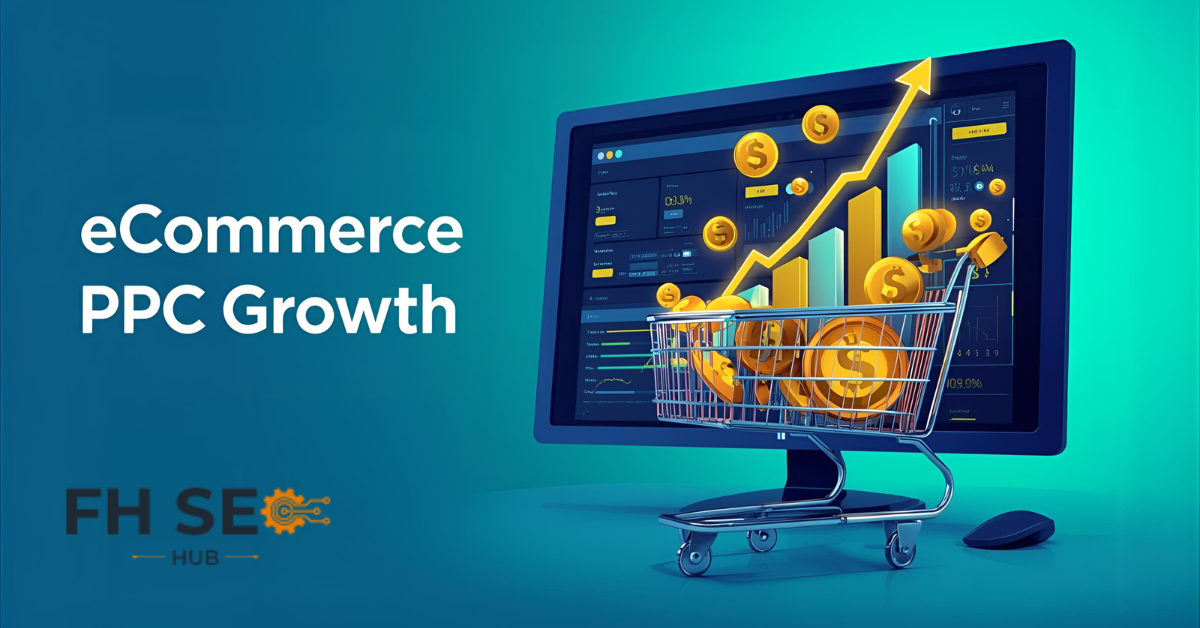
Ecommerce PPC is paid advertising that places product ads in front of shoppers who are already searching or browsing. At FHSEOHub we focus on clean product feeds, margin-aware bidding, and structured campaigns across Google Search, Shopping, and Performance Max so stores generate profitable sales rather than just clicks.
The core platforms are Google (Search, Shopping, Performance Max), with support from Microsoft Ads, Amazon, and Meta when relevant. Success depends more on feed quality and conversion tracking than on simply increasing bids.
What ecommerce PPC includes
Search campaigns target high-intent keywords. Shopping campaigns display product images, prices, and titles directly in results. Performance Max uses automation across Google’s inventory for broader reach. Remarketing brings back visitors who viewed products but did not buy.
FHSEOHub prioritizes Standard Shopping or feed-focused campaigns for control on top products, then layers Performance Max for scale once conversion data is reliable. Brand protection campaigns prevent competitors from capturing branded searches cheaply.
The role of the product feed
Shopping and Performance Max campaigns pull data from the product feed in Merchant Center. Titles, images, prices, availability, GTINs, and categories determine when and how products appear. A weak feed limits every campaign that uses it.
Strong titles start with the searchable product type and key attributes. High-quality images improve click-through rates. FHSEOHub audits and optimizes feeds first so bidding and structure work from a solid foundation.
Campaign structure that protects margin
Separate brand search from non-brand so branded traffic does not hide poor performance elsewhere. Prioritize high-margin or best-selling products with dedicated campaigns and tighter controls. Use negative keywords to block irrelevant clicks.
Set targets based on contribution margin after product cost, shipping, and fees rather than a single ROAS number. FHSEOHub builds structures that let automated bidding work toward profit while keeping visibility into what is driving results.
Conversion tracking and data quality
Automated bidding optimizes toward the conversion data it receives. Accurate purchase tracking that includes revenue value is essential. Incomplete or delayed data leads the system to optimize for the wrong outcomes.
FHSEOHub verifies tracking before scaling spend and monitors for discrepancies so campaigns learn from real sales rather than incomplete signals.
How FHSEOHub manages ecommerce PPC
We start with feed cleanup and tracking verification, then launch controlled campaigns around brand terms and top products. Performance Max is added for expansion once sufficient conversion data exists. Ongoing optimization covers search term review, bid adjustments, creative testing, and margin reporting.
Clients receive clear visibility into which products and campaigns generate profitable sales so budget decisions stay data-driven.
FAQs
It is paid advertising that shows product ads to shoppers on platforms such as Google Search, Shopping, and Performance Max. The goal is profitable sales measured by return after product and shipping costs. FHSEOHub manages these campaigns with a focus on feed quality and margin.
Shopping and Performance Max campaigns build ads from the feed. Titles, images, prices, and identifiers decide when products appear. A clean feed improves performance across every campaign that uses it.
Both. Standard Shopping or feed-focused campaigns give more control on high-margin products. Performance Max expands reach once conversion data is solid. FHSEOHub uses them together with clear structure.
Measure profitability after product cost, shipping, and fees, not just ROAS or clicks. Accurate conversion tracking that includes revenue value is required for automated bidding to work correctly.
We optimize product feeds, set up structured campaigns, verify tracking, and manage bidding and search terms so stores generate profitable sales rather than wasted spend.
With a clean feed and proper tracking, early signals appear within weeks. Consistent profitability usually requires ongoing optimization over one to three months as data accumulates and structure improves.
Yes. PPC provides immediate visibility and data while SEO builds long-term traffic. FHSEOHub often runs both so paid insights inform organic content and organic rankings support paid efficiency.