Scary Facts about Artificial Intelligence: Real Risks, Examples, and Safety Steps

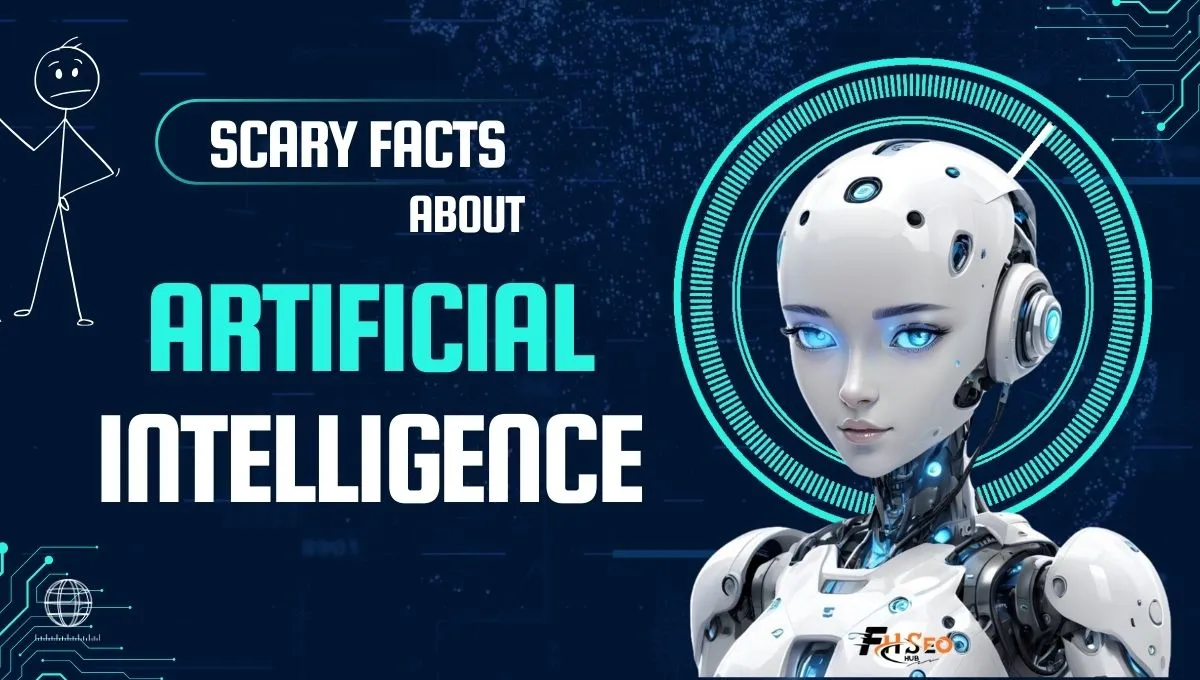
Most AI harm today is not a robot takeover. It is fraud, fake media, privacy leaks, bias, and bad decisions made from wrong outputs. You can reduce most of it with checks, limits, and human review.
What scary means in AI
Scary means the risk is real and easy to trigger. It also means the impact can be big. AI can scale one mistake to many people.
What AI can do today vs what it cannot do yet
AI can write, talk, and create images fast. It can also guess and sound sure. It cannot know truth like a person because it predicts patterns from data.
Scary because AI can fool people
AI can create fake audio, fake video, and fake text that looks real. This makes scams very easy. Your best defense is slow verification, not fast trust.
Deepfakes and voice cloning
A deepfake can show a person saying something they never said. Voice cloning can copy a loved one’s voice. Scammers can use this to push you to act. The FTC has warned about voice cloning being used to impersonate people and pressure victims for money.
Fake screenshots, fake calls, fake proof
It’s easy to fake a call, a chat screenshot, or a video clip. The scary part is speed. One person can do it at scale.
How scams use AI to scale
AI can write many messages quickly. It can change names and details more natural than older scam texts.
AI can be wrong with confidence
AI can generate false content that sounds believable. NIST calls this “confabulation,” also known as hallucinations. If you act on it without checks, you can make costly mistakes.
AI hallucinations
Hallucinations are plausible but false statements from language models. They can happen even with simple questions. OpenAI explains that some evaluation styles reward guessing over admitting uncertainty.
The no source of truth problem
Many tools do not show sources. Even when they do, sources can be wrong or made up. You must verify with trusted references for anything important.
Why confident answers mislead people
People trust confident tone. They also trust clean writing. That is why hallucinations are risky in law, health, and money decisions.
AI can push misinformation
AI can spread false ideas faster than people can correct them. It can also make false stories feel polished and shareable. Your best defense is to check the original source and date.
Recommendation systems and persuasion
Some systems learn what keeps people watching. That can reward outrage and fear. When AI tools help create content, the feed can fill up with noise.
Everyone sees a different reality
Two people can see two totally different stories. Both can look real. This can break trust in news, leaders, and even your own eyes.
A fast fact-check habit
Use three checks:
- Who is the original source
- When was it posted
- Can you confirm it from a second trusted place
AI can Copy Bias and Unfairness
AI can amplify harmful bias because it learns from messy human data. NIST warns that AI can increase the speed and scale of harmful biases and amplify harms. Fairness needs testing, not hope.
What algorithmic bias is?
Bias is unfair outcomes. It can show up in hiring, lending, and moderation. It can also show up in who gets flagged as “risky.”
Where bias shows up most?
Bias shows up when data is unbalanced. Bias also shows up when humans do not test for it. The result can hurt real people.
What fairness checks look like?
Good checks include:
- Testing results across groups
- Reviewing training data choices
- Adding human oversight for high impact decisions
Scary Because Privacy can Break Quietly
AI tools can leak or misuse personal data if you share it the wrong way. NIST lists data privacy risk as leakage or unauthorized use or disclosure of sensitive data. Your best move is to keep sensitive info out of casual tools.
Data collection and surveillance worries
Some tools store prompts and tools log usage. Some tools connect with other systems. If you share private data, it can spread.
Sensitive data leakage in work and life
Common risky items include:
- ID numbers
- Bank details
- Medical info
- Client secrets
- Passwords and codes
A simple do not paste rule
If you would not post it publicly, do not paste it. Use approved tools with clear policies for work.
Scary because Criminals can Automate Cybercrime
AI can make phishing and impersonation more convincing. It can help criminals. Your best defense is strong account protection and slow confirmation for money requests.
Phishing and social engineering
Phishing is a fake message that tries to steal access or money. AI can write cleaner phishing emails. It can also mimic tone.
Voice scams and urgent money pressure
A common pattern is urgency. “Send money now.” “Do not tell anyone.” The FTC advises verifying using a number you already trust.
The 5 habits that block most attacks
- Use multi factor authentication
- Do not click unknown links
- Confirm money requests on a second channel
- Use strong passwords and a password manager
- Slow down when a message feels urgent
Jobs and Skills can Shift
AI replaces tasks first, not whole jobs. But it can still change wages and hiring needs. Some reports warn about job disruption and inequality risks from AI.
What changes first?
Routine writing, basic support, and data-heavy tasks can change. People who learn the tools do better.
What helps you stay valuable?
Build skills AI cannot do well:
- Real relationships
- Hands on work
- Judgment under pressure
- Strategy and taste
- Clear communication with humans
A simple role-proof plan
Use AI for drafts and speed then add your thinking. Learn to verify facts and improve.
Scary in high-stakes systems
The risk jumps when AI helps decide health, money, freedom, or safety. High-stakes use needs human oversight, testing, and audit trails, not blind trust.
Where the stakes are highest
- Healthcare advice.
- Legal claims.
- Credit decisions.
- Hiring decisions.
- Public services.
- Security decisions.
The human oversight problem
If a human signs off without checking, oversight is fake. Real oversight means time, tools, and responsibility.
What high-stakes AI should require
- Clear scope and limits
- Human review before action
- Monitoring after launch
- A way to stop or roll back
- Logs for accountability
AI safety is still moving
AI changes fast, and rules lag behind. That gap creates risk. Strong safety work focuses on trust, transparency, and accountability across the whole AI life cycle.
Rapid change and weak governance
New tools arrive fast. Many users adopt them without training. That is where harm can slip in.
What experts worry about?
Many experts focus on misuse at scale. They also focus on reliability and safety in real settings. NIST’s risk work highlights trustworthiness goals like validity, safety, privacy, and fairness.
Myth vs reality
Myth: AI is alive and planning like a human
AI does not have feelings. It does not have goals like a person. It generates outputs from patterns.
Reality: most harm today is practical
Most real harm today looks like fraud. It looks like fake media, biased systems and privacy leaks.
Safety checklist for everyday life
For individuals and families
- Verify urgent calls with a trusted number
- Do not send money from one message
- Do not trust one clip as proof
- Keep private data out of random tools
- Use MFA on key accounts
For businesses and teams
- Set a do not paste policy for secrets
- Use approved tools only
- Add human review for high stakes work
- Track errors and near misses
- Train staff on fake audio and fake video
For creators and students
- Label AI help when your rules require it
- Keep your own voice in the final work
- Verify facts with primary sources
- Save sources and screenshots
Article summary
AI is scary when it fools people, spreads fake content, and sounds right while being wrong. Real risks include scams, hallucinations, bias, privacy leaks, and high-stakes mistakes. You can cut most risk with simple habits like verification, MFA, and not sharing sensitive data. Use human review for important decisions. Treat AI as a tool, not a truth machine.
FAQs
What are deepfakes and why are they scary?
Deepfakes are fake media that looks real. They can trick people. They can also harm reputations.
Why does AI hallucinate?
AI can produce believable but false content. NIST calls this confabulation. It happens because the model tries to complete the prompt, not prove truth.
Can AI be biased?
Yes. AI can amplify harmful bias at scale. That is why fairness testing matters.
Is AI a privacy risk?
It can be. Risks include leakage and unauthorized disclosure of sensitive data.
Will AI take jobs?
Some tasks will change or disappear. Some new tasks will grow. Learning to use the tool safely helps.


