What Is Black Hat SEO: Tactics, Risks, and Safe Alternatives

Black hat SEO means using rule breaking strategies to push rankings fast. These tactics try to trick search engines instead of helping people. It can lead to ranking drops or removal from search results.
It usually targets loopholes in ranking systems. The goal is quick traffic. The risk is high, because search systems keep improving.
Why Black Hat SEO Is Risky
Black hat SEO feels like a shortcut at first. But it leads to unstable traffic and long term damage. You can lose trust, rankings, and sales overnight. The major risk is a penalty. Some penalties happen by algorithm changes and manual actions in Search Console. Manual actions come after review by Google’s spam team.
Another risk is brand damage. Users notice spam pages and fake reviews. They stop trusting the site.
Black Hat vs White Hat vs Gray Hat
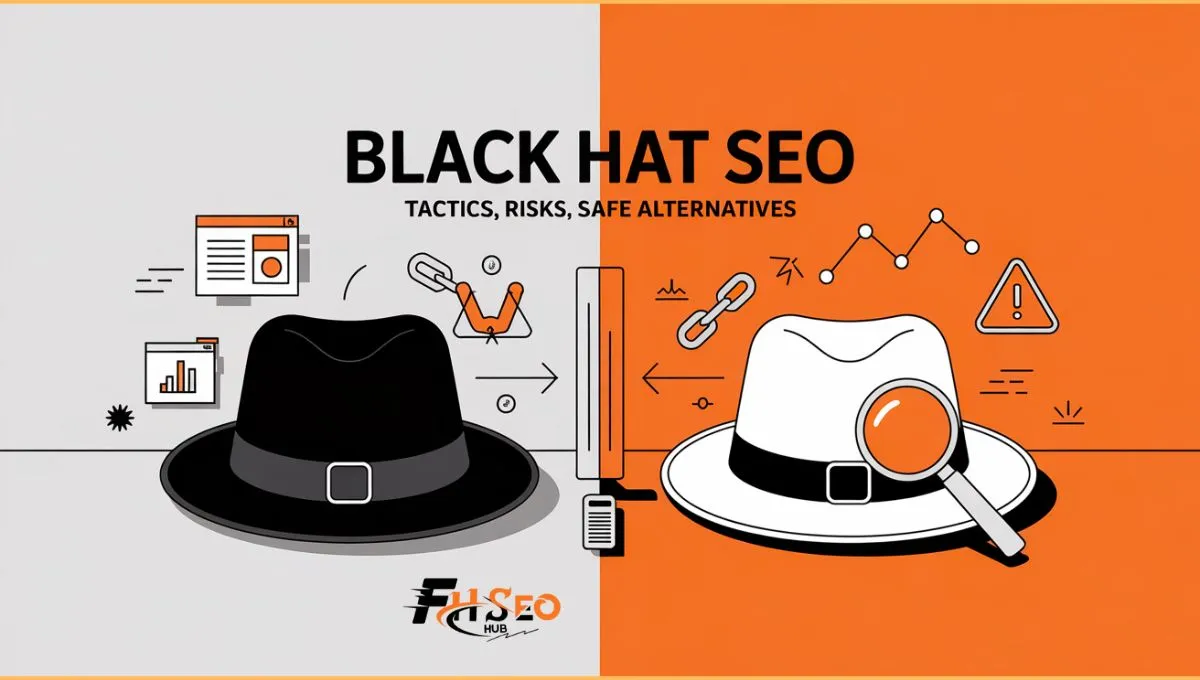
White hat SEO follows search guidelines and helps users. Black hat breaks rules to manipulate rankings. Gray hat sits in the middle and can still cross the line.
Here is a simple comparison.
| Approach | Main Goal | Common Methods | Risk Level |
| White Hat | Stable growth | Helpful content, clean links | Low |
| Gray Hat | Faster wins | Borderline link tactics | Medium |
| Black Hat | Quick rankings | Deception and link schemes | High |
Common Black Hat SEO Tactics You Should Know
Most black hat approaches fall into content tricks, technical deception, and link manipulation. Knowing them helps you avoid bad advice. It also helps you audit your own site.
Content Manipulation Tactics
Keyword stuffing means repeating terms too much. It makes pages hard to read.
- Scaled content abuse means pumping out many pages that exist mainly to rank. These pages feel thin or copied. Google lists this kind of behavior in spam policies.
- Scraped content means copying from other sites.
- Spun content means rewriting with word swaps. Both create low value pages. They also add risk during updates.
Technical Deception Tactics
Cloaking shows different content to bots and people. It aims to mislead and manipulate rankings. Google calls this spam
- Doorway pages are pages made mainly to rank for many searches.
- Sneaky redirects send users somewhere they did not expect.
- Hidden text or hidden links try to stuff keywords out of sight. This can include text matching the background color.
Link Manipulation Tactics
Link schemes try to fake authority. This can include buying links from link farms and networks. It can also include fake guest post networks. These tactics create an unnatural backlink profile.
Rich Result and Markup Abuse
Structured data spam means using markup to mislead. Examples include fake reviews or irrelevant markup. Google warns that misleading markup can cause manual actions for rich results.
Malicious Behavior
Some bad actors use malware, phishing, or hacks to rank. This can become a legal issue too. It can also get a site removed quickly.
Modern Black Hat Patterns That Matter in 2026
Some newer abuse patterns focus on scale and borrowed authority. These methods aim to rank without earning trust. They are high risk.
Scaled Content Abuse
This is mass page creation for search traffic. The pages add little value. Google’s spam policies cover scaled abuse patterns.
Site Reputation Abuse
This is sometimes called parasite SEO. It happens when third party content gets published to exploit the host site’s ranking signals.
Expired Domain Abuse
This uses expired domains to inherit old signals. The content changes to a new topic. The intent is to manipulate rankings.
What Happens When You Use this strategy
The common outcomes are ranking drops, manual actions, and deindexing. Some sites see a short lift first then they fall when detection improves.
Manual Actions vs Algorithmic Drops
A manual action means a reviewer flagged spam behavior. You can see it in Search Console. It can stay until you fix the issue and request review.
An algorithmic drop happens after an update or reprocessing. You may not get a clear message. You will see traffic and rankings fall.
Both can hurt leads and revenue and can take months to recover from.
How to Spot Black Hat SEO on Your Site
You can spot through patterns that look fake or hidden. Many site owners miss the signs until traffic drops. You can catch it earlier with simple checks.
Common Warning Signs
What to Do If You Used Black Hat or Got Hit
If you used risky tactics, stop them now. Then clean up what you can. After that, rebuild with user first SEO.
If you have a manual action, you need proof of cleanup. Search Console is where manual actions appear.
Cleanup Plan
- Start by listing what was done. Write down dates and changes.
- Audit your site for doorway like pages and thin pages.
- Check redirects, remove sneaky redirects and fix broken chains.
- Audit your backlinks. Remove links you control on spam sites.
Recovery Plan
If you have a manual action, follow the instructions. Fix the exact issues called out then submit a reconsideration request.
After cleanup, focus on helpful content, improve internal linking, improve page speed and clarity.
Safer Alternatives of Black Hat SEO That Still Drive Growth
Safe SEO works by improving trust and usefulness. It may feel slower at first but it builds stable traffic and brand value. Create content that answers real questions. Make pages easy to scan and us clear headings. Add examples and simple steps.
Fix technical issues that block crawling and indexing. Keep your site clean, fast and maintain the Core web vitals. Use structured data only when it matches visible content. Google warns against misleading markup.
Earn links by creating useful resources and avoid link schemes. Focus on partnerships and real mentions.
Conclusion
Black hat SEO uses tactics that try to trick rankings and violate the search engine guidelines. It can cause penalties, drops, or removal from results. Learn the common tactics so you can avoid them. If you got hit, stop the tactics and clean up fast. Build with user first SEO for stable growth.
FAQs
Is Black Hat SEO Illegal or Just Against Rules
Most of it breaks search engine rules, not laws. Some actions can be illegal, like hacking or malware.
Can Black Hat Work Short Term
Sometimes it works for a short time. Then it fails when detection improves. The risk is not worth it for most brands.
How Do I Know If My Site Has a Penalty
Check Search Console for manual actions. Also watch for sharp drops in traffic and rankings. Compare dates with site changes and updates.
What Is the Difference between Black Hat and Gray Hat
Gray hat uses tactics that feel borderline. They may not be clear violations today. But they can become risky later. Black hat clearly aims to trick rankings and violation of search engines guidelines.
Are Paid Links Always Black Hat
Paid links that exist to pass ranking value are risky. Some paid placements also require proper link attributes.
What Is Cloaking in SEO
Cloaking is showing different content to users and search engines. The intent is to manipulate rankings and mislead. Google lists cloaking as spam.


