
What Is Trust Flow? A Majestic SEO Tool Part and Why Should You Care About It?

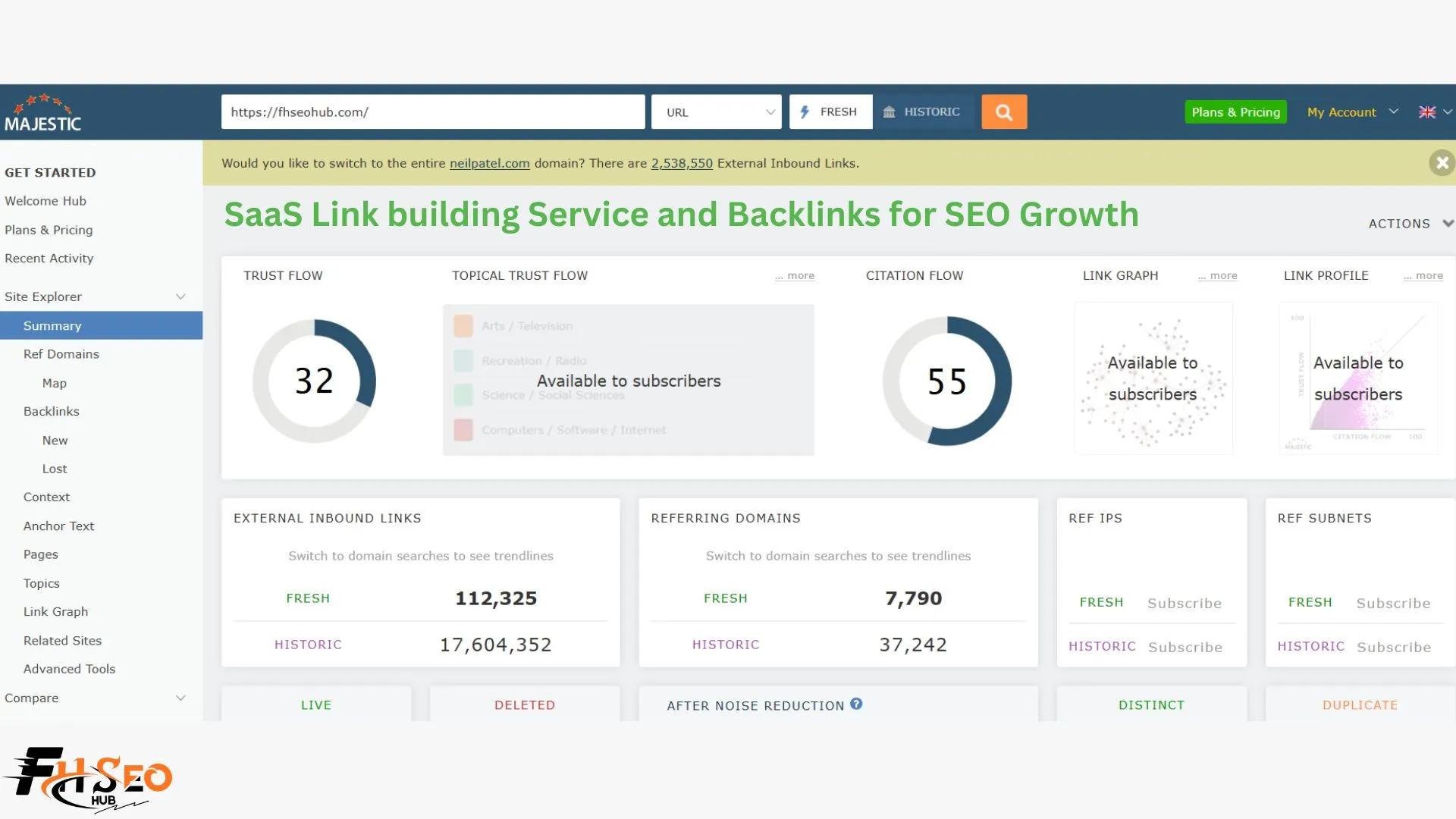
Trust Flow is a metric created by Majestic SEO that scores how trustworthy your website is based on the quality of your backlinks. It runs on a scale from 0 to 100. The higher the number, the more credible your site looks to search engines. Most site owners either obsess over this number without understanding it or completely ignore it. Both are mistakes.
How Trust Flow Works?
The whole system starts with something called seed sites. Majestic handpicked a secret list of super trustworthy websites. Think government sites, major news outlets, Wikipedia, and similar places that everybody trusts. These seed sites form the baseline.
Now here is how it flows. When a seed site links to Site A, and Site A links to Site B, and Site B links to you, trust passes down that chain. The closer your site sits to those seed sites through quality backlinks, the higher your score climbs.
One thing most people miss? The scale is logarithmic. Going from TF 5 to TF 15 is way easier than jumping from 40 to 50. That is why hundreds of millions of websites sit below 10 and only a handful crack 90.
Trust Flow vs Citation Flow: What Is the Difference?
You can’t talk about Trust Flow without mentioning its companion metric, Citation Flow. They are both part of Majestic’s Flow Metrics system but they measure different things.
| Feature | Trust Flow (TF) | Citation Flow (CF) |
| What It Measures | Backlink quality | Backlink quantity |
| Scale | 0 to 100 | 0 to 100 |
| Harder to Manipulate? | Yes | No |
| Google Ranking Factor? | No (proxy metric) | No (proxy metric) |
| Best Used For | Link quality audit | Link volume check |
If your Citation Flow is way higher than your Trust Flow, that is a red flag. It usually means your site has a bunch of low quality or spammy links. A healthy CF to TF ratio sits around 1:1 or 2:1. Anything worse than that and you have some cleanup to do.
What Is a Good Trust Flow Score?
I see people asking this constantly. But according to my opinion it depends on your niche. A TF of 25 in local plumbing is excellent. The same score for a tech media site would be below average. But here are general ranges to give you a starting point.
| TF Score | Rating | What It Means |
| 50 to 100 | Excellent | Major authority sites like BBC, YouTube, Google |
| 30 to 49 | Strong | Well established sites with solid backlink profiles |
| 11 to 29 | Average | Growing sites with room to build more quality links |
| 0 to 10 | Weak | New sites or sites with spammy link profiles |
The smarter approach? Stop chasing a magic number and instead compare your TF against your direct competitors. If they are sitting at 25 and you are at 12, you know exactly where the gap is.
What is Topical Trust Flow?
Topical Trust Flow is a Majestic metric that scores your website’s authority within specific industry categories (across 800+ topics) based on the topical relevance of the sites linking to you.
This one is underrated. Topical Trust Flow goes a step deeper. Instead of just measuring overall trust, it shows which industry or niche your website has authority in. So a fitness blog with a high Topical Trust Flow in “Health” is getting links from relevant health and fitness sites. That matters because link relevance is a huge factor search engines pay attention to. If your site sells accounting software but your highest Topical Trust Flow is in “Entertainment,” something is off with your backlink profile.
Trust Flow vs Domain Authority: Which One is Accurate in SEO?
This question pops up everywhere. Moz’s Domain Authority and Majestic’s Trust Flow are not the same thing at all. DA looks at your overall ranking potential using dozens of signals. TF focuses specifically on backlink quality.
Neither is a Google ranking factor. Both are third party estimates. Use them together. DA gives you the big picture. TF tells you if the links feeding that picture are actually worth something. And while you are at it, check Ahrefs Domain Rating and Semrush Authority Score too. No single metric tells the full story. I think here is no need to discuss more about Trust Flow vs Domain Rating and Trust Flow vs Authority Score, because these tools provide idea and real ranking depends on Google ranking.
Is Trust Flow a Google Ranking Factor?
No. Trust Flow was built by Majestic, not Google. Google does not use TF, CF, DA, or DR in its algorithm. These are all SEO vendor metrics.
But here is why it still matters. TF measures things Google does care about, like the quality of your referring domains and the authority of sites linking to you. So while improving your TF will not directly push you up in SERPs, the work you do to improve it, building quality links, auditing bad ones, creating great content, will absolutely help your organic visibility.
How Do You Check Your Trust Flow?
Pretty simple. You have two main options.
First, install the Majestic Backlink Analyzer browser extension. It is free for Chrome and Firefox. Visit any page and click the icon. You will see TF, Citation Flow, referring domains, and more at the URL, subdomain, and root domain levels.
Second, head to Majestic Site Explorer directly. Enter your domain, and you will get a full breakdown. While you are there, compare your numbers against a few competitors. That context makes the data way more useful than looking at your score alone.
How to Improve Your Trust Flow
Look, there is no shortcut here. Buying cheap links from random sites will backfire. Trust me on that. Here is what actually works.
Build Links from Relevant, High Authority Sites
Focus on guest posting on reputable sites in your niche. Before pitching, check their TF. If it is below 15, your time is better spent elsewhere. And make sure the links are dofollow. NoFollow links will not pass Trust Flow to your site.
Audit and Clean Up Your Backlink Profile
Run a backlink audit every few months. Look for links from sites with a TF below 5 to 10. Those toxic backlinks are dragging you down. Use Google’s Disavow Tool for the ones you can not get removed manually.
Do Not Ignore Internal Linking
Here is something most people skip. Internal linking actually passes Trust Flow between your own pages. A strong homepage with good TF can distribute that value to your blog posts, service pages, and landing pages. Make sure your most important pages get linked from high authority pages on your own site.
Create Content That Earns Links Naturally
Original research, detailed case studies, and genuinely useful guides attract backlinks from high quality sources without you even asking. That is the kind of content quality that builds real website authority over time.
Some Trust Flow Mistakes That Will Hurt You
Many site owners try to manipulate with rubbish links and perform these blunders.
Chasing numbers instead of relevance
A TF 40 link from an unrelated site is worth less than a TF 20 link from a respected blog in your industry. Link relevance and link diversity matter more than raw scores.
Ignoring the CF to TF ratio
If your Citation Flow is 3x or 4x your Trust Flow, you have a spam problem. That ratio should ideally be under 2:1.
Never auditing your links
Your backlink profile changes constantly. Competitors can even hit you with negative SEO by pointing junk links at your domain. Regular audits are not optional.
Is Trust Flow Still Relevant in 2026?
The SEO landscape is shifting toward E-E-A-T signals and AI powered search. Google cares more about content quality, topical authority, and real user experience than any single metric.
But Trust Flow still reflects something Google values: whether authoritative sites vouch for you through their links. It is not the whole picture but it is a useful piece of the puzzle, especially for benchmarking against competitors and auditing your link building strategy.
Final Thought
Trust Flow is not a magic number that will skyrocket your rankings overnight. But it is one of the more honest metrics out there because it forces you to focus on what actually matters: earning quality links from sites that have real authority. Stop chasing vanity metrics. Start building genuine connections and creating stuff worth linking to.
FAQs
What is Trust Flow in Majestic?
Trust Flow is a proprietary metric by Majestic SEO that scores a website’s trustworthiness from 0 to 100 based on the quality of its backlinks. The closer your links trace back to trusted seed sites, the higher your score.
What is the difference between Citation Flow and Trust Flow?
Citation Flow measures the quantity of links pointing to your site. Trust Flow measures their quality. Both are part of Majestic’s Flow Metrics and should be used together.
How long does it take to improve Trust Flow?
Expect 3 to 6 months of consistent effort. Building high quality backlinks, cleaning up toxic backlinks, and improving content quality all take time. There are no overnight fixes.
Can Trust Flow be manipulated?
It is harder to game than Citation Flow because it relies on link quality, not just volume. But yes, people try buying links from high TF sites. Majestic updates its algorithm to catch and reset manipulated scores.
Does internal linking improve Trust Flow?
Yes. Majestic’s algorithm counts both external and internal links. A strong internal linking structure distributes TF across your pages and helps your most important content benefit from your site’s overall authority.
What tools can I use to check Trust Flow for free?
The Majestic Backlink Analyzer browser extension is free for both Chrome and Firefox. You can also use the basic features of Majestic Site Explorer without a paid plan.
Why is my Trust Flow zero even though I rank for keywords?
TF only measures backlink quality within Majestic’s index. If your links are not tracked by Majestic or come from very low authority sources, your score can be zero even if Google ranks you for some terms. The two systems are completely separate.
Should I focus on Trust Flow or Domain Rating?
Use both. Domain Rating from Ahrefs looks at backlink profile strength broadly. Trust Flow zeroes in on link quality. Together they give you a more complete view of your site’s website authority.


