
ABM Marketing Examples That Closed Real Deal

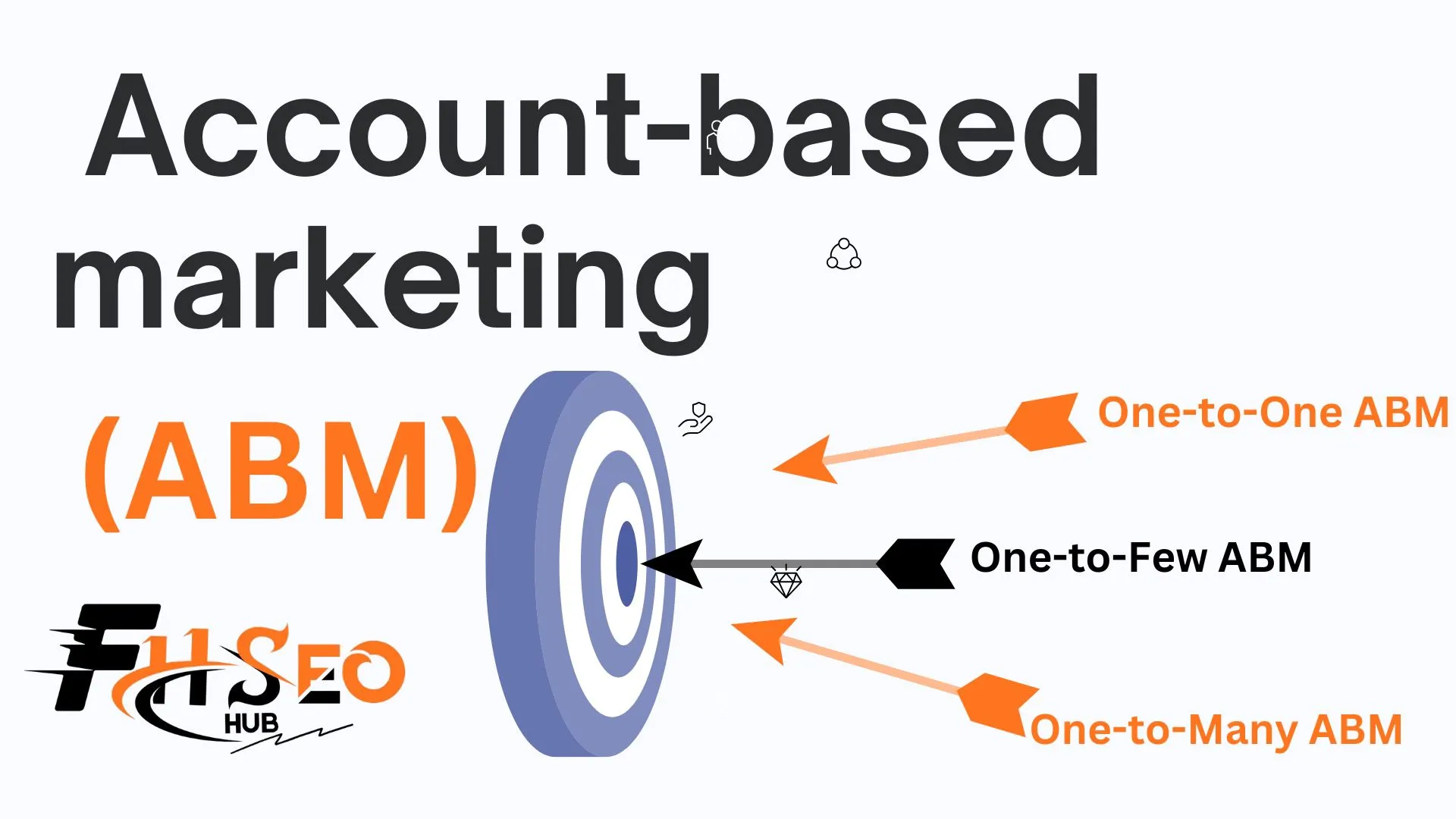
Account-based marketing is a B2B marketing strategy where sales and marketing teams focus all resources on a defined set of high-value accounts, building personalized campaigns around each account’s specific pain points instead of broadcasting to everyone. Companies with mature ABM programs report it drives more ROI than any other B2B marketing tactic.
If you want proof that account-based marketing works, look at real ABM marketing examples. Most B2B marketing teams waste budget chasing leads that never convert. ABM flips that model. You build a target account list using firmographic data and your ideal customer profile, then craft campaigns specifically for each account’s buying committee and decision-makers.
What Is ABM Marketing and How Does It Work?
Account-based marketing (ABM) is a B2B marketing strategy where sales and marketing alignment teams focus all resources on a select group of high-value accounts. Every campaign is built around that account’s buying committee, pain points, and decision-makers rather than a broad audience.
Traditional B2B lead generation casts a wide net, pulls in hundreds of leads, and qualifies them one by one. ABM does the opposite. You pre-select the accounts most likely to convert using intent data and firmographic data, then build campaigns specifically for them.
Research shows 92% of companies with mature ABM programs report it drives more ROI than any other marketing tactic. In 2026, over 70% of B2B marketers are shifting budget toward account-specific engagement with clearly defined ideal customer profiles.
What Are the 3 Types of ABM Campaigns?
One-to-One ABM
One-to-One ABM targets a single high-value account with a fully bespoke campaign. It demands the most resources but produces the highest returns. This works best for enterprise deals with large customer lifetime value.
One-to-Few ABM
One-to-Few ABM targets 5 to 50 accounts that share firmographic traits. You build semi-personalized campaigns that speak to a cluster of accounts without starting from scratch every time.
One-to-Many ABM
One-to-Many ABM targets 50 to 500 accounts using marketing automation and intent data. Personalization happens through dynamic landing pages and AI-powered ABM platforms rather than manual effort.
| ABM Type | Scale | Personalization | Best Use Case |
| One-to-One | 1 to 5 accounts | Fully bespoke | Enterprise deals with large CLV |
| One-to-Few | 5 to 50 accounts | Semi-personalized | Mid-market account clusters |
| One-to-Many | 50 to 500 accounts | Automated at scale | SMB with broad ICP match |
Your deal size, sales cycle length and the bandwidth of your sales and marketing teams determine which tier to start with.
What Are the Best Real-World ABM Marketing Examples?
Here are eight ABM marketing examples from companies that drove measurable results. Each shows a different tactic, a different tier and a different lesson.
1. How Did GumGum Land T-Mobile With a Custom Comic Book?
GumGum wanted T-Mobile as a client. Instead of sending a generic pitch, they studied the buying committee and discovered that T-Mobile’s CEO John Legere was a passionate Batman fan. They commissioned a full comic book called “T-Man and Gums” where Legere played the hero.
They mailed 100 copies to T-Mobile executives and decision-makers.
Legere shared it on Twitter. GumGum secured the meeting and landed the account.
This is one-to-one ABM at its most creative. The entire campaign ran on account intelligence and hyper-personalization. One specific insight about a decision-maker became the foundation of a campaign that closed a major deal.
2. How Did LiveRamp Generate $50 Million From Just 15 Accounts?
LiveRamp ran a five-touch multi-touch campaign targeting 15 Fortune 500 accounts. They used predictive analytics to identify the highest-potential enterprise prospects and executed a structured sequence:
The result was over $50 million in annual revenue from those 15 accounts, a 33% conversion rate within four weeks, and a 25x increase in customer lifetime value over two years.
LiveRamp did not try to reach everyone. They used intent data and predictive analytics to filter the account list before spending a single dollar. Every touchpoint served a purpose and a follow-up.
3. How Did DocuSign Triple Homepage Conversions With Web Personalization?
DocuSign deployed web personalization across 450 enterprise accounts. When a target account visited their website, they saw industry-specific messaging, case studies and testimonials matched to their exact challenges.
They layered retargeting ads on top with matching copy to keep messaging consistent across every touchpoint. This is what account-based experiences (ABX) look like when executed well.
The results: a 300% increase in page views, a 22% increase in sales pipeline and tripled homepage conversion rates. Dynamic landing pages built through Mutiny turned their website from a generic brochure into a targeted account experience.
4. How Did Cognism Hit an 80% Response Rate With a Cupcake Campaign?
Cognism ran a coordinated direct mail campaign using personalized cupcake deliveries across three teams:
The campaign hit an 80% response rate against an initial target of 20%. What made it work was not the cupcakes. It was the sales and marketing alignment behind every touchpoint. Each interaction had a clear purpose and a follow-up built in before it went out the door.
5. ABM compaign of O2
O2 created fully personalized financial reports for over 2,000 employees at target companies. Each report showed specific cost savings and revenue opportunities relevant to that company. No pitch. Just immediate value upfront. They achieved a 67.5% conversion rate because they led with what the account cared about instead of what they wanted to sell.
6. Auth0
Auth0 started with a pilot ABM program using marketing automation platforms to track account engagement patterns before scaling. Within six weeks they built a $3 million pipeline. Starting small let them test and refine without burning the full budget.
7. Snowflake
Snowflake runs 500 simultaneous ABM campaigns, each tailored to a specific account’s position in their customer lifecycle. When targeting Saxo Bank, they built custom advertisements that addressed prospects by name and spoke directly to their specific use cases.
8. Intridea
Intridea wanted a meeting with advertising giant Ogilvy and Mather. They rented a billboard across the street from Ogilvy’s Manhattan office that read “Ogle this, Ogilvy.” Ogilvy’s CEO called them. Bold one-to-one ABM can open doors that email never will.
What ABM Campaign Tactics Do Top B2B Companies Use?
Looking across all these real ABM marketing examples, six tactics appear in the highest-performing campaigns.
Direct Mail Campaigns cut through inbox overload. A physical package gets opened. When paired with SDR follow-up within 48 hours, direct mail produces some of the highest engagement rates across any channel.
Personalized Events and Webinars give decision-makers a real reason to engage. Thomson Reuters ran nearly 700 offline and online events across North America and achieved a 95% win rate with accounts that had previously been churning.
LinkedIn Advertising and Paid Advertising let you target specific companies and personas using firmographic data. Combined with IP targeting and retargeting, your ads reach only the accounts on your target account list.
Web Personalization tools like Drift and Mutiny turn your website into an active ABM channel. When a target account visits, they see messaging built for their industry and their stage in the buyer journey.
Email Campaigns in ABM are not templates. They are crafted messages for specific people at specific accounts. Marketing automation platforms like HubSpot, Marketo, and Salesforce help scale this without losing the personal feel that makes ABM work.
Intent Data Platforms like 6Sense and Demandbase show which accounts are actively researching your category right now. This makes targeting sharper, timing better and budget more efficient across every campaign.
What Pain Points Does ABM Solve That Traditional Lead Generation Cannot?
Traditional lead generation creates four problems that ABM addresses directly.
Misaligned sales and marketing teams
When both teams measure success differently, pipeline falls apart. ABM forces shared account lists and shared KPIs like account engagement score and marketing-qualified accounts (MQA). Teams with tight sales and marketing alignment see 208% more revenue from their ABM programs.
Endless sales cycles
Gartner reports 6 to 10 people are involved in the average B2B buying decision. If you only nurture one contact, the deal stalls every time you encounter someone new in the buying committee. ABM maps the full committee upfront and nurtures all of them simultaneously. Research found ABM reduced time-to-opportunity by 30%.
Wasted spend on low-fit leads
Without firmographic data and intent data filtering, you spend budget on companies that will never buy. ABM uses your ideal customer profile to build a target account list of accounts that actually fit your product and are in market now.
No clear ROI
Standard lead volume metrics do not capture ABM performance. When you shift to account-specific KPIs like pipeline velocity, deal size and customer lifetime value, you can show leadership exactly what marketing is producing.
How Does ABM Deliver Better ROI Than Traditional B2B Marketing?
ABM consistently outperforms broad demand generation because every campaign targets a pre-qualified account with a confirmed ideal customer profile match.
Here is why the math works:
Teams that map and engage the full buying committee see deal velocity increase by 25%. That is the core ROI advantage ABM holds over every other tactic in the B2B marketing stack.
The Takeaway
Only those companies win which picked the right accounts, studied the buying committee deeply and built campaigns that spoke directly to the people who actually make the purchase decision.
In 2026, ABM is the clearest path to pipeline that closes. The tools are sharper, the intent data is better and the playbooks are proven at every company size. Start with your ideal customer profile, choose the right ABM tier for your resources, and run one campaign well before you scale it.


