
How to Build Backlinks in 2026: 8 Tactics That Work

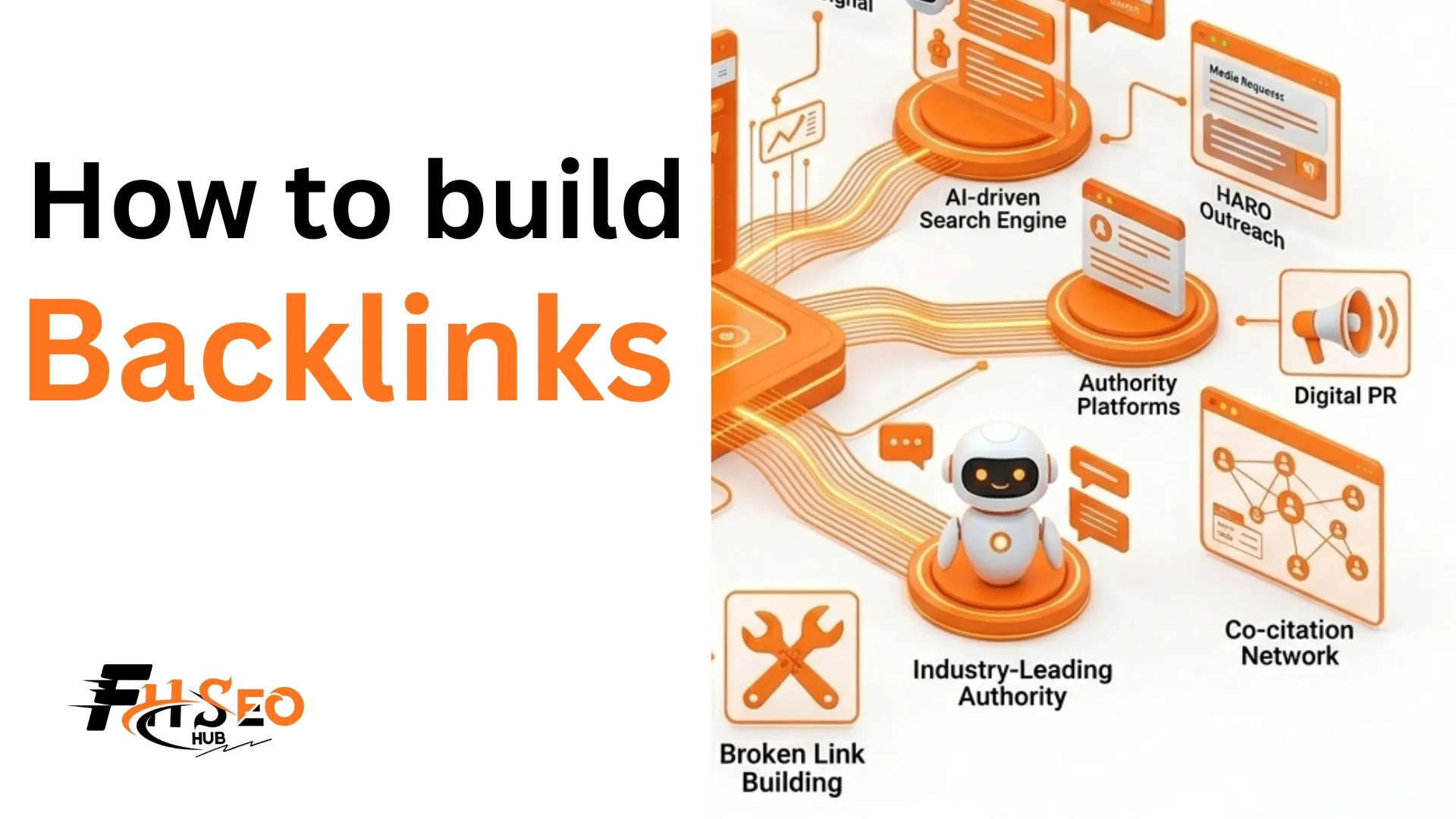
How to build backlinks comes down to one principle: earn editorial links from relevant sources that signal trust to both Google and AI systems. Backlinks still rank you on Google, but in 2026 they also determine whether platforms like ChatGPT, Perplexity and Google AI Overviews cite your brand in their generated answers.
If you are only chasing PageRank, that approach is already costing you visibility. The brands winning in 2026 earn consistent mentions alongside trusted names in their space, not just links with high domain authority scores.
What are backlinks and why do they still matter?
Backlinks are external links from one website to another that search engines treat as votes of confidence. When a credible site links to yours, Google interprets that as a signal that your content is worth ranking.
In 2026, a well-placed backlink does not just send link equity to your pages. It places your brand entity into the same content neighborhood as trusted names in your niche. That co-citation proximity is what AI search systems use to understand who you are and whether to surface your brand in AI-generated answers. One editorial backlink from a respected industry publication now does more work than it ever did before.
What makes a backlink to a high-quality backlink?
Not all links are equal, and the gap between a strong link and a weak one has widened significantly. The old criteria were simple: get a high domain authority score, get a dofollow link and use a keyword-rich anchor. Those shortcuts are now either devalued or actively penalized.
The six factors that define a high-quality backlink are:
| Quality Factor | What It Means | Why It Matters |
| Topical relevance | Source and page closely match your topic | Signals genuine editorial endorsement |
| Trust signals | Real editorial standards, real audience, low spam score | Google and AI evaluate source credibility |
| Contextual placement | Link embedded in body text, not footer or sidebar | Body placement signals editorial endorsement |
| Co-citation proximity | Brand appears near recognized authorities | AI systems treat you as a peer of trusted brands |
| Persistence | Page stays live, updated, and re-crawled | Compounds authority and AI extractability over time |
| Retrievability | Content extractable by AI in body copy, resource lists | LLMs need clean formats to surface your brand |
A relevant DR 30 site that covers your exact topic will consistently outperform a DR 80 site with no topical connection. Focus on relevance before authority.
How do you build backlinks?
The eight tactics below represent the current hierarchy of what actually earns editorial backlinks. The best campaigns combine three to five of these simultaneously rather than betting on a single method.
How do you find and recover unlinked brand mentions?
Unlinked brand mentions are the fastest backlinks you can earn because the publisher already knows your brand. Use Google search operators like “BrandName” -site:yourdomain.com to find pages mentioning you without a link. You can also use Semrush Brand Monitoring to automate discovery across the web.
When you find a positive mention, send a brief personalized outreach email asking the publisher to add a link. While you are there, check whether the surrounding copy describes your brand clearly or vaguely.
How does broken link building work step by step?
Broken link building finds 404 errors on relevant pages and offers your content as a replacement. Use Ahrefs or Semrush Backlink Audit to identify broken URLs on authority sites in your niche. You can verify what used to live at those URLs using the Wayback Machine.
Then reach out to the site owner, flag the broken link, and suggest your content as a relevant replacement. You are solving a real problem for them, which is why this tactic converts at high rates.
How do you use HARO and journalist outreach to earn backlinks?
Register on HARO, Featured.com, and Qwoted as a source in your area of expertise. When a journalist posts a relevant request, respond within two to four hours with a specific, experience-backed answer. Speed matters because journalists often accept the first useful response they receive.
Keep your pitch concise. Answer exactly what was asked, include brief credentials, and specify the URL you want cited. Consistent journalist outreach earns editorial backlinks from high-authority publications that carry strong E-E-A-T signals and routinely get cited in AI-generated answers.
How does strategic guest posting build backlinks?
Safe guest posting means targeting publishers with genuine audiences and real traffic in your topic area, not directories that exist purely to sell link placements. Your content should solve a problem for their readers first, with your brand fitting naturally into the solution rather than being forced in.
How do you build backlinks through digital PR and original research?
Digital PR campaigns create newsworthy stories, surveys, and data studies that journalists want to write about. You earn editorial backlinks from major publications because you gave them something their readers care about. The Moving Man Method and Skyscraper Technique follow the same logic: you offer something better than what currently exists and reach out to sites already linking to that topic.
Publishing original research and statistics roundups creates citation magnets. Writers need fresh data to cite. When your site provides the number, it earns the link.
How do you use resource pages and competitor backlinks?
Find resource pages in your niche using Google search operators like topic + “inurl:resources” or topic + “recommended tools”. These pages are maintained specifically to collect useful links, so site owners expect outreach and accept it more readily than cold link requests. Focus on pages updated within the last year with working links and genuine topical focus.
How do you find and replicate competitor backlinks?
Pull your top competitor’s backlink profile in Ahrefs or Semrush Backlink Analytics. Filter by referring domains linking to their editorial content. These sites already accept links in your niche, making them your highest-probability outreach targets. Also check for competitor broken backlinks where you can step in as the replacement. Competitor backlink replication places you in the same topical neighborhood for both Google ranking signals and AI citation visibility.
What should you avoid when building backlinks?
Avoid link farms, private blog networks, paid links and reciprocal link exchanges. All four violate Google spam policies and risk manual penalties that can take months to recover from. Do not use automated outreach tools that blast generic templates at scale. Mass outreach without personalization triggers spam filters and destroys sender reputation before a single link is earned.
Use Semrush Backlink Audit or Ahrefs to identify toxic backlinks flagged by high toxicity scores. Contact the referring domain directly first. If that fails, submit a disavow file through Google Search Console to protect your backlink profile from low-quality links you did not build.
The core takeaway
Start with the lowest-effort tactics first: recover unlinked mentions, fix broken links pointing to your site and pitch yourself to journalists through HARO and Featured.com. As those compound, invest in original research, digital PR and LLM seeding to build the kind of topical authority and brand entity recognition that no competitor can easily replicate. That is how you build backlinks that earn you visibility in both traditional search and AI-generated answers.


