How Does Ben Stace Do Semantic SEO? Core SEO Strategies

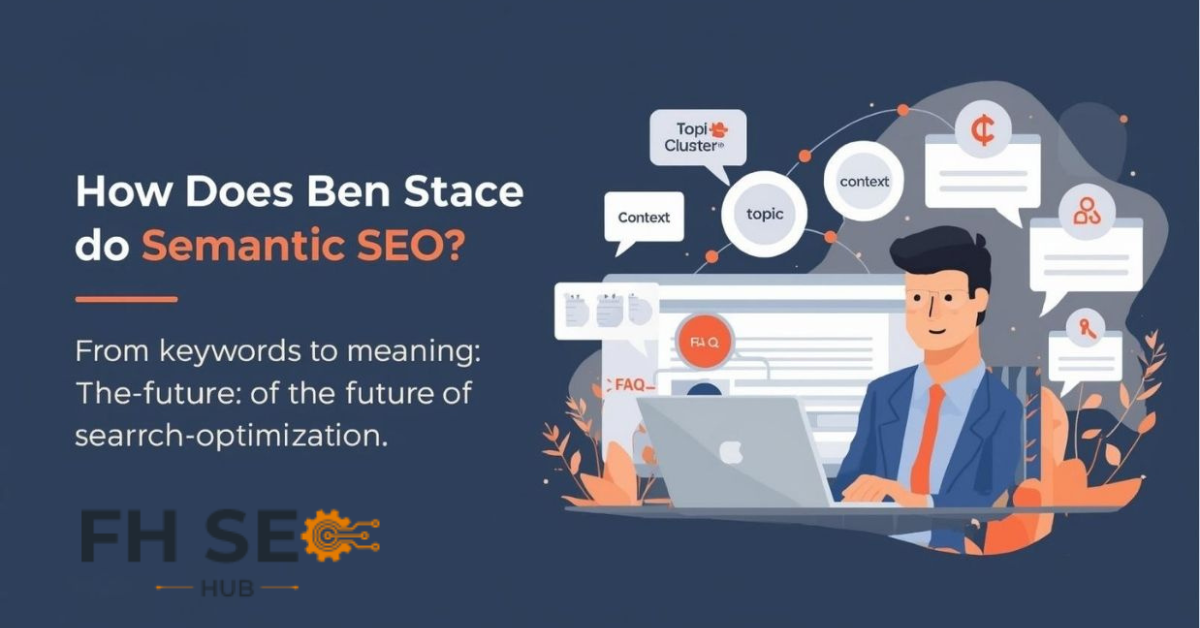
Ben Stace does semantic SEO by focusing on meaning, context, and user intent rather than traditional keyword targeting. His strategy stands on three key pillars: topical mapping and entity relationships, natural language optimization, and combining technical SEO elements like schema markup and structured data with high-quality storytelling. Each topic is treated like a hub with multiple subtopics linked to it, building an entire ecosystem of meaning around a subject. He uses comprehensive topic clusters, schema markup, NLP tools to uncover semantic gaps, and user behavior analysis to refine intent alignment over time. This approach helps brands build topical authority and achieve sustainable organic growth in an AI-driven search landscape.
What is Semantic SEO?

Semantic SEO is the practice of optimizing web content to align with the meaning and intent behind a user’s search, rather than just matching specific keywords. It focuses on providing comprehensive context around a topic by understanding and connecting related concepts, entities, and questions.
In simpler terms, it’s about teaching search engines what your content is truly about by thoroughly answering a user’s question and covering all related subtopics, making your content more valuable and easier for Google to understand and rank.
Who is Ben Stace?
Before we dive into the “how,” it helps to know the “who.” Ben Stace isn’t just another SEO theorist. He’s a seasoned practitioner known for his results-driven approach. He specializes in creating content strategies that are built to last, focusing on building topical authority rather than chasing quick wins.
His reputation is built on a simple premise: create genuinely helpful content that fully satisfies a user’s search intent, and the rankings will follow. He’s known for demystifying complex SEO concepts, like semantic SEO, and turning them into actionable, common-sense strategies.
How Does Semantic SEO Work?
At its core, semantic SEO is about teaching Google the whole story, not just throwing a list of keywords at it. It’s the difference between giving someone a single puzzle piece and showing them the complete picture on the box.
Here’s what semantic SEO focuses on:
This is why Ben Stace doesn’t just write an article that answers one question. He creates a resource that answers an entire cluster of related questions, making his content a one-stop-shop on a topic.
Does SEO Benefit from Semantic Triples?
You might not have heard of semantic triples, and they can sound a bit complicated, but they are actually easy to understand. A triple simply means a relationship of three items:subject-predicate-object (for example, Ben Stace teaches SEO).
Here is how they help in SEO:
The result? Google perceives your content as more intelligent and valuable.
Do Semantic Triples Improve SEO?
They do sound technical, but semantic triples are very simple. A triple is just a relationship of three parts, subject–predicate–object (Ben Stace teaches SEO, for example).
They help SEO because:
The short answer is yes. Semantic triples do. Google perceives your content as more intelligent.
Difference Between SEO and Semantic SEO
Both traditional SEO and semantic SEO aim to rank higher, but the approach is very different. Here’s a quick comparison:
| Aspect | Traditional SEO | Semantic SEO |
| Focus | Keywords and backlinks | Meaning, intent & relationships |
| strategy | Exact match keywords | Topic clusters & entities |
| Short vs Long Term | Quick wins but unstable | Long-term authority and stable rankings |
| Search Engine Update | Easily affected by changes | More future-proof and adaptable |
| User Experience | May answer one query | Provides full, in-depth answers |
That’s why Ben Stace prefers semantic SEO; it builds authority that lasts.
How Does Ben Stace Implement Semantic SEO?

Ben’s approach is intelligent, methodical and pragmatic. He doesn’t make decisions by guessing; he sets something up that he can see through systematically.
Find Entities & Topics:
He begins by identifying core keywords and search-related entities, using various ideas and search data to establish a map of relevance and connectivity between ideas and themes.
Build Topic Clusters:
He then builds out one pillar page that is supported by smaller pieces of content that all link to each other, establishing authority.
Write for Intent:
Ben always asks, “What is the user intending to do with this read?” He then determines how he will format it in a way that people want that information, guide, FAQ, or comparison.
Optimize with Semantic Keywords
He does these things not with the practice of stuffing but rather by integrating synonyms and words that are related to what he is trying to say, all while keeping things natural for the reader.
Implement Structured Data
Lastly, he includes schema markup, being sure to include FAQ (or What To Do or How To), positively improving the chance of content being featured in rich snippets. Contributions of Semantic SEO The positive contributions are tremendously impactful, for both search engines and the reader.
It is more than rankings and impacts substantially.
Improves engagement, providing the complete answer one would expect on one page.
The Payoff: Why This Approach Wins
This methodology does more than just boost rankings. It creates a better experience for everyone involved:
Why choose FHSEOHUB For Semantic SEO
FHSEOHUB specializes in transforming your SEO from a keyword-chasing game into a strategy that builds lasting authority. They don’t just optimize pages; they architect content ecosystems based on semantic principles.
Their approach is powerful because they:
In short: FHSEOHUB moves you beyond outdated tactics to a smarter, more effective SEO strategy designed for the modern web. Visit FHSEOHUB.com to see how they can build your semantic presence.
Conclusion:
How does ben stace do Semantic SEO is the in-thing in the current SEO landscape. Ben Stace shows that earning a high rank is not just about keyword stuffing but really about expressing true meaning and delivering value. When you focus on intent, context, and the like, you get to create content that Google appreciates as much as the user does.
For ongoing results, stop working purely on keywords. Focus on creating topic content clusters that answer the questions users are asking in a legitimate fashion. That’s how you earn results through semantic SEO and make your site future-ready.


