HARO Backlinks: How to Earn Editorial Links in 2026

HARO backlinks are editorial links earned when a journalist quotes your response to a source request and the publication links to you. HARO (Help a Reporter Out) connects journalists with experts. It was discontinued under Cision in December 2024 and relaunched as a free email service by Featured.com in April 2025.
These links can still be valuable because they come from real editorial decisions. Success depends on speed, relevance, and human-written answers. Generic or fully AI-generated pitches have much lower selection rates.
What is a HARO backlink?
A HARO backlink is a link that appears when a journalist uses your quote or data in a published article. You reply to a journalist request with useful information. If selected, the story may mention your name, company, and include a link to your site.
The decision belongs to the journalist or editor. Not every response earns a link, and some publications use nofollow even on high-authority sites. The value comes from the editorial nature of the placement rather than volume.
Is HARO still active in 2026?
Yes. Cision shut down the Connectively version of HARO in December 2024. Featured.com acquired the brand and restarted the free email digests in April 2025. Sources receive up to three emails per weekday with journalist requests.
It remains free for both journalists and sources and is supported by advertising. Competition is high, with dozens of responses per request in many cases. Human-written pitches are selected more often than fully AI-generated ones.
Why HARO links can still help SEO
Editorial links from journalists signal trust. A single relevant placement on a well-known publication can support topical authority more than many low-quality links. Google has long valued links that come from genuine editorial choice.
These links also create brand mentions and referral traffic. For competitive niches such as SaaS, one strong media mention can improve visibility on product and comparison pages. Results vary by niche and by how well the response matches the request.
How to earn HARO backlinks
Sign up free at helpareporter.com as a source. Filter requests for topics you know well and publications that match your audience. Reply only to queries where you can add a specific fact, example, or data point.
Write short, clear answers. Include a one-line credibility note such as years of experience or a concrete result. Reply quickly because early responses often get read first. Avoid promotional language and long paragraphs.
A practical tip is to keep a short quote bank of 20 to 30 reusable insights based on real work. This speeds up replies without sounding generic.
Common mistakes that reduce success
Answering every request wastes time and lowers quality. Generic advice, keyword stuffing, and fully AI-written responses are easy for journalists to spot and often ignored. Some platforms now filter AI-generated pitches.
Failing to check the deadline or the publication also hurts. A strong response to a mismatched query rarely earns a placement. Consistency over weeks matters more than one intense day of pitching.
HARO alternatives worth using
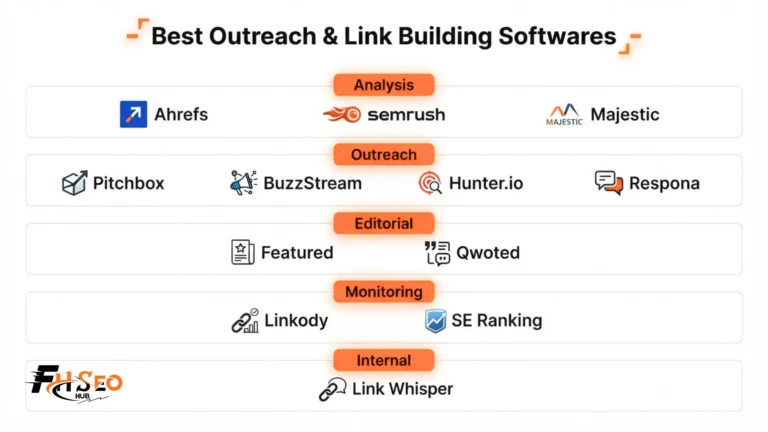
Source of Sources, run by HARO’s original founder, offers free email digests. Qwoted provides more curated opportunities, especially for business and finance. SourceBottle covers lifestyle and international requests. Featured’s own paid Q&A platform also exists alongside the free HARO newsletter.
Using more than one platform increases opportunities without depending on a single inbox. Quality still beats volume across all of them.
Is HARO worth the time in 2026?
It can be if you respond selectively and write the answers yourself. The cost is only time. Brands that treat it as a daily habit of answering a few strong matches see better results than those who blast every query.
It is not a guaranteed ranking method. Editorial links help, but they work best as part of a broader content and technical SEO effort. Expect competition and variable placement rates.
FAQs
Help a Reporter Out is a free service that connects journalists with expert sources through email requests. Responding can lead to quotes and links in published articles.
Yes. The version relaunched by Featured.com in 2025 is free for sources and journalists and runs on advertising.
Cision discontinued the Connectively version in December 2024. Featured.com acquired the brand and restarted the free email service in April 2025.
They can. Editorial links from journalists carry trust signals. Results depend on relevance, the publication, and whether the link is followed.
Focus on three to five strong, relevant replies rather than answering every request. Quality and speed matter more than volume.
Fully AI-generated pitches are selected less often. Human-written or heavily edited responses perform better according to platform data.
Source of Sources, Qwoted, and SourceBottle are common options. Many teams use more than one platform to increase relevant opportunities.