
How to Build Links Without Content Marketing

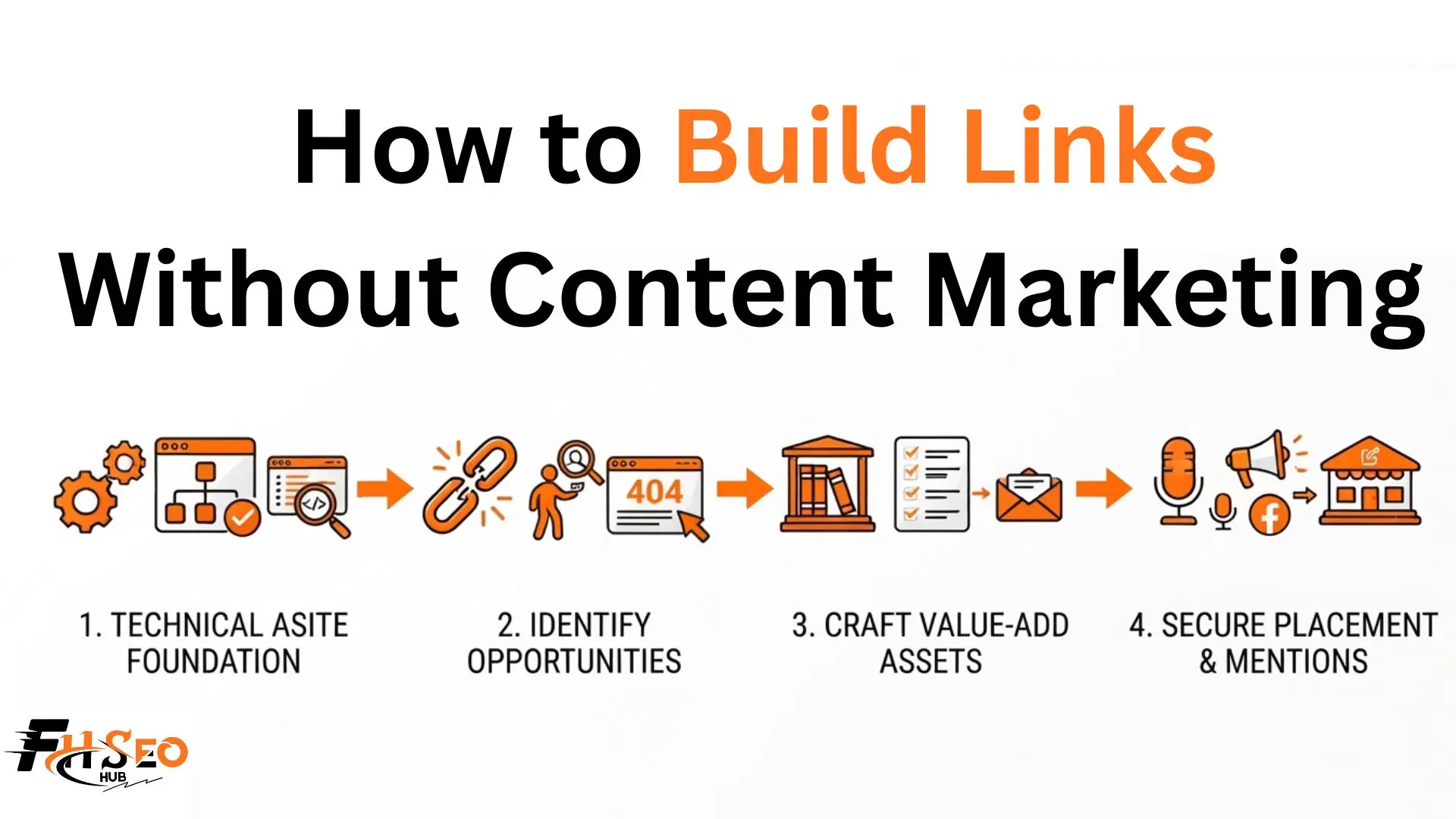
This small query create a curiosity how to build link without any content marketing. Yes, you can build real backlinks without content marketing, using tactics like testimonial links, unlinked brand mention reclamation, and HARO responses instead of blog posts or research reports. This matters most if you are a small business or solo founder without a writer, designer, or content budget on hand.
Can You Build Links Without Content Marketing?
Yes. Several link building tactics rely on existing relationships, mentions, and assets instead of new content, including testimonial links, unlinked brand mention reclamation, resource page outreach, and HARO. These work well for businesses without a content team or budget.
None of these tactics ask you to write a single blog post. They lean on things you already have: a supplier relationship, a mention nobody linked, a dead link on someone else’s page, or a quote a journalist needs today.
Why Is Content Usually Central to Link Building?
Content acts as a natural link magnet, often called link bait in SEO circles. A useful guide or original piece of research gives other sites a reason to reference you, and it gives your own outreach something concrete to offer when pitching a placement. Without it, you lean more heavily on relationships and existing assets instead of net new material.
That does not make content mandatory. It just means the content-free path relies on different currency: trust, timing, and things that already exist rather than something new you have to produce first.
What Are the Best Link Building Tactics That Don’t Need Content?
The strongest content-free options include unlinked brand mention reclamation, broken link building, testimonial links, resource page outreach, HARO responses, and competitor backlink analysis. Each one uses something that already exists, a relationship, a mention, or a dead link, rather than requiring you to produce anything new. Building links without content this way still requires real outreach effort, just not the writing and design work content marketing demands upfront.
How Do I Find Unlinked Brand Mentions?
Use a mention tracking tool to monitor your brand name, product names, and key executives across the web, then reach out to sites that mentioned you without linking. Lead with appreciation for the mention before asking for the link, since the relationship comes first and the ask comes second.
Most tools flag new mentions within a day or two of publication, though older mentions from before you started monitoring are worth a manual search too. SEO professionals consistently find that mention reclamation converts at a noticeably higher rate than cold outreach, since the site already chose to talk about you once without being asked.
A common mistake beginners make is leading the email with the link request instead of genuine appreciation. A short, warm note thanking them for the mention, followed by a simple ask, tends to convert far better than a templated request that skips the relationship step entirely. Keep a running spreadsheet of every mention you find, whether or not you reach out immediately, since older mentions often still convert months later.
Is Testimonial Link Building Actually Effective?
Yes, when it comes from a genuine relationship with a tool or supplier you actually use. Write a specific, honest testimonial rather than generic praise, and offer it directly to the company, since many businesses publish testimonials with a link back as social proof for their own site.
This tactic scales slowly since it depends on how many vendors you genuinely use, but the conversion rate tends to be high because you are offering the company something they want: free, authentic social proof. Keep a running list of every tool, supplier, and service your business pays for, since that list is your entire prospect pool for this tactic. Reach out to the vendor’s marketing or customer success team directly rather than a general contact form, since a specific person is far more likely to actually publish what you send.
Can Reciprocal Links Hurt My SEO?
They can if overused or left as site-wide placements. A single relevant partner link mentioned naturally is fine, but a pattern of “I link to you, you link to me” repeated across many sites, especially in footers or sidebars, starts to look manipulative to search engines.
Google’s guidelines specifically warn against link schemes built around excessive reciprocal linking. If you do pursue partner or associate links, keep them to genuine business relationships, avoid placing them site-wide, and consider a nofollow tag on any link that exists purely as a trade rather than a natural reference. A handful of genuine partner links spread naturally through relevant pages reads very differently to Google than the same links repeated in every footer across two sites.
How Does Broken Link Building Work Without Content?
Find dead links on relevant, topically similar pages using a tool like Ahrefs or a free broken link checker, then contact the site owner to suggest your existing page as a working replacement. No new content is required as long as you already have a relevant page to offer instead.
In typical campaigns, this tactic converts at a modest rate, since you are asking someone to edit a page they already published rather than add something brand new. Framing the outreach as a favor, you are helping them fix a broken page, tends to perform better than framing it as a request for yourself. Prioritize pages with genuinely high traffic or authority, since a dead link buried on a low value page rarely justifies the outreach time either way.
Is Competitor Backlink Reverse Engineering Considered White Hat?
Yes, when you simply ask to be added alongside a competitor’s existing link on a resource or mention page. It gets more aggressive when you ask a site to replace a competitor’s link with yours instead, which some practitioners see as a pushier, less collaborative version of the same tactic.
Tools like Ahrefs, BuzzSumo, and Moz all let you pull a competitor’s referring domains, so you can see exactly which sites already link to businesses like yours and are therefore more likely to consider linking to you too.
What Are Resource Pages and How Do I Get Listed on Them?
Resource pages compile useful links on a topic and exist specifically to link out, which makes them easier targets than typical outreach since you are not asking a site to do something unusual. Search using operators like inurl:resources or inurl:links alongside your topic to find real candidates quickly.
Does Quora and Q&A Engagement Count as Link Building?
Yes, indirectly. Quora links are nofollow, but the platform carries a high domain rating and strong search visibility, so a well placed link in a genuinely useful answer still diversifies a backlink profile and can drive qualified, targeted traffic even without passing direct authority.
Treat this as a traffic and visibility tactic more than a pure ranking tactic. The value comes from reaching people actively searching for answers in your niche, not from the nofollow link itself doing heavy lifting in Google’s eyes. A genuinely helpful answer that happens to link to relevant support material tends to perform far better than one written purely to insert a link.
What Other Non-Content Tactics Are Worth Using?
Local citations, human edited directories, .edu and .gov links, product reviews, guest appearances, and image link reclamation all generate links without new content, though each carries a different effort level and risk profile worth weighing before you invest time.
| Tactic | Effort Level | Risk Level |
| Local citations | Low | Low |
| Human edited directories | Low | Low if selective |
| .edu and .gov links | High | Low |
| Product reviews | Medium | Low |
| Guest appearances | Medium | Low |
| Image link reclamation | Low | Low |
.edu and .gov links take real persistence to earn since these institutions rarely respond quickly, but a single one can carry more trust than dozens of average placements combined.
Final Thoughts
Building links without content marketing is not a shortcut, it is a different set of tools built around relationships, mentions, and existing assets instead of new material. Start with testimonials and unlinked mention reclamation, since both convert well with the least ongoing effort, then layer in broken link building and resource page outreach as you get comfortable. None of this replaces content forever, but it proves you do not need a content team to start earning real backlinks today.
FAQs
Yes. Tactics like testimonial links, unlinked mention reclamation, resource page outreach, and HARO all work without producing new content, since they rely on existing relationships and assets instead.
Focus on testimonials for tools you already use, HARO responses using existing expertise, and reclaiming mentions of your brand that never got linked. None of these require a blog post or guest article.
Link reclamation fixes mentions of your own brand that lack a link. Broken link building finds dead links on other sites and offers your page as the replacement, regardless of whether your brand was ever mentioned there.
Yes, though it takes consistent time each week. A solo marketer can realistically run mention reclamation and testimonial outreach alongside other work, while broken link building and resource page outreach benefit from dedicated research time.
Most non-content tactics show first results within a few weeks to a couple of months, faster than typical content campaigns, since you are pitching something that already exists instead of waiting for new content to gain traction.
Partially. Testimonial links and HARO responses work immediately since they do not depend on prior mentions, while unlinked mention reclamation naturally takes longer to build a pipeline as your brand earns its first references online.


