B2B Brand Awareness: Powerful Strategies to Build Trust and Visibility


B2B brand awareness is how well decision-makers at target companies recognize, recall and associate your brand with real value before they enter a buying cycle. If buyers do not know you exist when they start evaluating vendors you are simply not in the running.
Research shows only 5% of your potential buyers are actively in-market at any given time. The other 95% are not ready to buy yet, but they will be. If your brand is not visible and familiar before the purchase conversation starts, you compete for 5% of the market while brand-aware competitors access all of it. In 2026, 42% of senior B2B marketers rank brand visibility and reputation as their top business priority.
What Is B2B Brand Awareness and How Does It Work?
B2B brand awareness is the degree to which decision-makers recognize your brand, recall it without prompting and associate it with specific value when a buying situation arises. It is not just visibility. It is about being the brand buyers think of first when the problem you solve becomes urgent.
The concept behind this is mental availability. It means your brand occupies space in the minds of potential buyers before any sales conversation starts. When a procurement team builds a vendor shortlist, brands with strong mental availability are already on it. Brands without it start from zero every time.
There are three distinct layers to understand:
All three build brand equity which is the commercial value your brand reputation adds to your business over time. Without awareness at these levels even the best product goes unnoticed.
What Is the Difference Between Brand Recognition, Brand Recall, and Top-of-Mind Awareness?
Brand recognition means a decision-maker can identify your company when shown a logo, tagline or name. Brand recall is stronger. It means they remember your brand without any prompt at all. Top-of-mind awareness is the highest level when your brand is the first name that surfaces when buyers think about your category.
Unaided recall and aided recall are the two survey methods used to measure these levels. Unaided recall tests whether buyers name your brand without any prompt. Aided recall shows a list and asks which brands they recognize. The gap between the two tells you exactly where your brand sits in buyer memory and where brand perception needs work.
Why Does Strong Brand Credibility Directly Impact Revenue and Sales Cycles?
A TrustRadius study found that 78 to 86 percent of enterprise buyers only consider brands they already recognize before they start formal research. That means if your brand is not in a buyer’s consideration set before evaluation begins you never get evaluated at all.
Strong brand trust and brand credibility deliver these commercial outcomes:
The 60/40 rule from Binet and Field research is critical here. It recommends allocating 60% of marketing budget to brand building and 40% to performance marketing for optimal long-term revenue growth. Most B2B teams flip this and wonder why pipeline keeps stalling. Performance marketing can only convert buyers already in-market. Brand building expands the pool of buyers who will consider you when they eventually get there.
How Is B2B Brand Awareness Different From B2C Brand Awareness?
B2B and B2C brand building share the same goal but require completely different approaches because the buyers, decisions and channels are fundamentally different.
| Dimension | B2B | B2C |
| Target audience | Multiple stakeholders and buying committees | Individual consumers |
| Decision process | Logical, researched, multi-stage | Emotional, fast, often impulsive |
| Sales cycle | 6 to 12 months or longer | Days to weeks |
| Messaging style | Expertise, trust, ROI, value proof | Emotional appeal, lifestyle, identity |
| Primary channels | LinkedIn, white papers, industry events, digital PR | Instagram, TV, influencer, paid social |
| Buying committee | 6 to 10 decision-makers | Usually one person |
| Measurement | Branded search, share of voice, brand surveys | Reach, impressions, social engagement |
The biggest practical difference is that B2B brand building must work across an entire buying committee not just one person. A CFO, a CTO, a procurement manager and an end user may all need to recognize and trust your brand before a single deal closes. That is why consistent brand messaging and multi-channel engagement matter so much.
What Are the Most Effective Strategies to Build B2B Brand Awareness?
Building a recognizable B2B brand requires a combination of strategies that work together across the full buyer journey. No single tactic covers everything on its own.
How Does Thought Leadership Content Build Brand Credibility at Scale?
Thought leadership content positions your company as the most knowledgeable voice in your category. When decision-makers read your white papers, case studies, webinars, or in-depth blog posts before they enter a buying cycle they arrive at evaluation already associating your brand with expertise and reliability.
The goal is not to sell now it is just educate. Buyers who feel educated by a brand trust that brand more than one that only contacts them to close a deal. Content marketing tied to your ideal customer profile (ICP) and distributed through SEO and organic search channels builds this trust continuously over time. Inbound marketing fed by strong content keeps brand credibility working even when your sales team is not.
How Do LinkedIn Advertising and Employee Advocacy Drive Brand Visibility?
LinkedIn advertising reaches decision-makers and C-suite buyers by job title, company size, seniority and industry. Sponsored Content and InMail campaigns place your brand in front of the exact people in your buying committees. This level of targeting is not available on any other major platform at the same scale.
Employee advocacy multiplies this reach without additional spend. When your team shares brand content on their personal LinkedIn profiles, algorithms treat it as organic content and distribute it more widely than company page posts. A coordinated employee advocacy program extends brand visibility to professional networks that paid campaigns never reach.
Why Is Digital PR and Earned Media Critical in 2026?
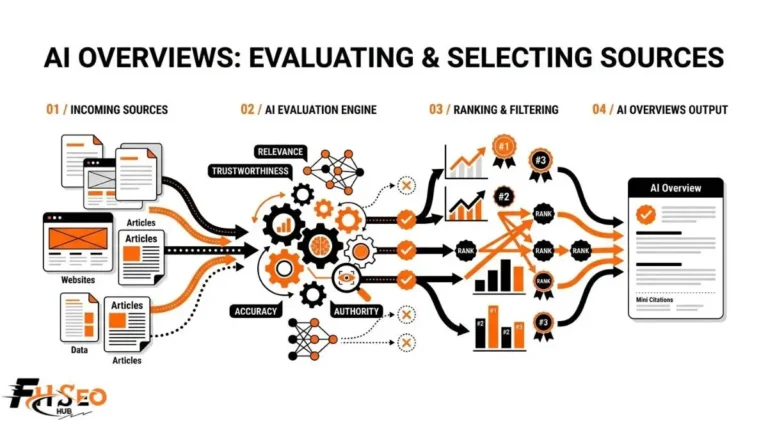
In 2026, digital PR is not just about awareness with human readers. It is also about AI discoverability. LLMs like ChatGPT, Perplexity and Google AI Overviews cite authoritative industry publications when answering buyer queries. A brand mentioned consistently in trusted earned media sources gets surfaced in AI-generated answers, which is a new form of brand visibility most competitors have not yet prioritized.
AI search sessions, meaning website visits from platforms like ChatGPT, Perplexity and Gemini, are now a measurable visibility signal. Brands investing in earned media are already watching this traffic grow quarter over quarter.
How Do Programmatic Advertising and Event Marketing Support Long-Term Brand Presence?
Programmatic advertising and retargeting keep your brand visible to target accounts across third-party sites throughout a 6 to 12 month sales cycle. A prospect who saw your Sponsored Content on LinkedIn last month might encounter a programmatic display ad while reading an industry publication this month. These repeated touches build brand familiarity without requiring the buyer to actively seek you out.
Event marketing adds the layer that digital channels cannot replicate: direct face-to-face access to decision-makers. A 2026 survey found 43% of B2B marketers say in-person events deliver the highest ROI for brand awareness. Industry conferences, sponsored roundtables and hosted webinars each provide environments where your brand makes a strong impression at the awareness and consideration stages simultaneously.
What Do the Best B2B Brand Awareness Campaign Examples Teach Us?
The most effective campaigns share four traits:
How Do You Measure B2B Brand Awareness Effectively?
Measuring brand health requires tracking eight proxy signals together rather than relying on any single metric. Each reveals a different dimension of how your brand is growing in visibility and trust.
| Metric | What It Measures | Tool | Frequency |
| Branded search volume | How often buyers search your brand by name | Google Search Console | Monthly |
| Direct sessions | Buyers who navigate directly to your site | Google Analytics | Monthly |
| Share of voice (SoV) | Your brand vs. competitors in market conversations | Brandwatch / Meltwater | Quarterly |
| Brand mentions | Volume and sentiment of online brand references | Mention / Brand24 | Weekly |
| Unaided and aided recall | Whether buyers think of you unprompted or when prompted | Wynter / Qualtrics | Every 6 months |
| AI search sessions | Traffic from ChatGPT, Perplexity, Gemini, Copilot | Google Analytics | Monthly |
| Earned media coverage | Volume and quality of third-party brand mentions | Meltwater / Cision | Monthly |
| Brand sentiment analysis | Emotional tone of brand mentions across platforms | Sprout Social / Hootsuite | Weekly |
What Are the Biggest Challenges in Building B2B Brand Awareness?
Four recurring obstacles affect most marketing teams at some point.
The first is budget justification. Brand building does not produce immediate conversions, which makes it harder to defend in budget reviews focused on short-term ROI. Use branded search volume growth, direct session trends and brand lift studies as leading indicators of future pipeline performance. Connect these metrics directly to revenue conversations.
The second is attribution across long sales cycles. When a buyer takes 9 months to close, it is hard to connect a brand touchpoint from month one to a signed contract in month nine. Multi-channel engagement tracking and consistent attribution frameworks make these connections visible over time.
The third is reaching a small and specific target audience cost-effectively. Programmatic advertising with firmographic data targeting, LinkedIn advertising by job title and industry and content syndication to industry publications address this challenge with precision.
The fourth is consistent brand messaging across multiple stakeholders. When a CFO, a CTO and a procurement manager each interact with your brand at different touchpoints, inconsistency creates confusion and erodes brand credibility. A clear brand identity with a defined unique value proposition and a consistent brand voice across all channels prevents this before it starts.
The Takeaway
B2B brand awareness is the commercial foundation your entire marketing and sales strategy builds on. If buyers do not recognize your brand before they enter a buying cycle, no amount of lead generation or demand generation fills that gap.
In 2026, with 94% of B2B buyers using LLMs during their purchasing journey, brand visibility inside AI-generated answers has become a new competitive frontier. The brands investing in thought leadership, earned media and consistent multi-channel engagement today are the ones that will dominate AI search sessions and vendor shortlists going forward.