John Mueller at Google: What SEOs Should Know and How to Use His Advice

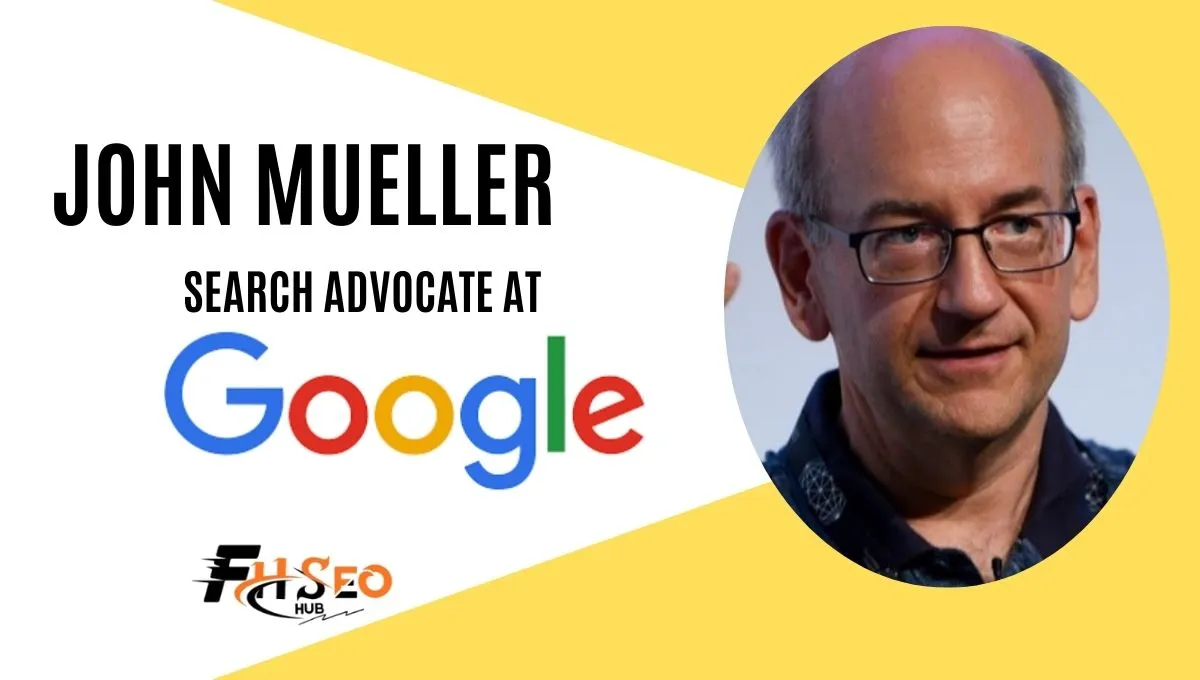
John Mueller is a Search Advocate at Google. He works in Search Relations and helps explain how Google Search crawls, indexes, and ranks sites. SEOs follow him because he clears up myths and points people to official Search Central guidance instead of unproven tactics.
He does not approve or reject websites. His role is to share practical insights from the Search side and bring feedback from site owners back to Google teams. Advice from him works best when you check the date, match it to your situation, and confirm results in Search Console.
Who is John Mueller at Google?
John Mueller is a Search Advocate based in Zürich. He joined Google in 2007 after running a software company in Switzerland. He previously held titles such as Senior Webmaster Trends Analyst and leads parts of the Search Relations work.
His team connects Google Search engineering with publishers and SEOs. He answers questions in office hours, on Reddit, Bluesky, and YouTube, and writes for the Google Search Central Blog. He is not a ranking engineer who changes algorithms.
Why SEOs listen to John Mueller
He pushes people toward basics that still matter: relevance, quality, clean technical setup, and consistent signals. SEO has many myths, and one quote from years ago can be treated like a permanent rule. His comments often bring the discussion back to what Google actually sees.
A common mistake is copying one statement without checking context. An answer about crawling may not apply to ranking, and a tip from 2018 may no longer match current systems. Use his words as a starting point, then test on your own site.
Where to follow John Mueller for reliable updates
The safest sources are official Google channels. Watch the Google Search Central Blog for posts he writes or announces. His personal site confirms his role. The Google Search Central YouTube channel has office hours and longer discussions.
He also answers on Reddit and Bluesky. These can give quick clarity, but always check the full thread, the date, and whether he is speaking about a specific case. Official documentation remains the strongest reference.
What topics John Mueller talks about
He covers crawling, indexing, and how Google understands sites. If Google cannot crawl a page, it cannot index it well. Common blocks include robots.txt rules, noindex tags, broken internal links, and weak page value.
Canonicals, redirects, and URL changes create mixed signals when done poorly. Keep one clean version of each page, redirect old URLs to the best match, and avoid long redirect chains. Structured data helps Google understand content but does not force rankings. Use it only when it matches the visible page.
He has also addressed AI Overviews and generative search. Technical foundations still matter because AI systems need crawlable, understandable sites. Consistency of signals is one of the points he stresses most.
How to use his advice the right way
Check the date first. Search systems change, and older tips may need updates. Match the advice to your situation. Ask whether the comment is about crawling, indexing, or ranking, and whether it applies to one page or the whole site.
Use your own data from Google Search Console. Change one thing at a time and measure indexing, impressions, and clicks. Many people go wrong by treating a single quote as a universal law instead of a clue for their specific problem.
Quick checklist for Mueller-style SEO
Make sure Google can reach your key pages. Check robots.txt, noindex tags, canonical tags, and internal links. Make pages easy to understand with one clear topic, a clean title, and useful sections.
Fix duplicates and weak pages. Merge near-copies, remove pages that add no value, and avoid mass thin content. Track changes in Search Console for indexing and clicks. Watch crawl stats when available.
A practical tip is to fix the technical basics before chasing advanced tactics. Most ranking problems start with pages Google cannot properly crawl or understand.
Myth versus reality
One trick will not boost every page. Make the page relevant and clear first. More pages do not always mean more traffic. Only useful pages help, so prune weak ones.
Technical SEO does not fix bad content. The page still needs to answer the query. One quote is not a rule for all sites. Context matters, so check official docs and test on your data.
FAQs
He is a Search Advocate in Google Search Relations. He explains how Search works and connects publishers with Google teams.
He shares practical insights from the Search side, answers site-owner questions, and points people to official documentation.
Official posts appear on the Google Search Central Blog and YouTube channel. He also answers on Reddit and Bluesky.
Treat it as a clue, not a rule. Confirm the date, the context, and the results in your own Search Console data.
Apply it to a real problem on your site, make one change, then measure indexing and performance in Search Console.
No. He explains existing systems and best practices. He does not approve sites or change ranking algorithms.
Technical foundations and clear, useful content still matter. AI systems need crawlable and understandable pages, just as traditional search does.