Off Page SEO Checklist: 9 Steps That Build Real Authority

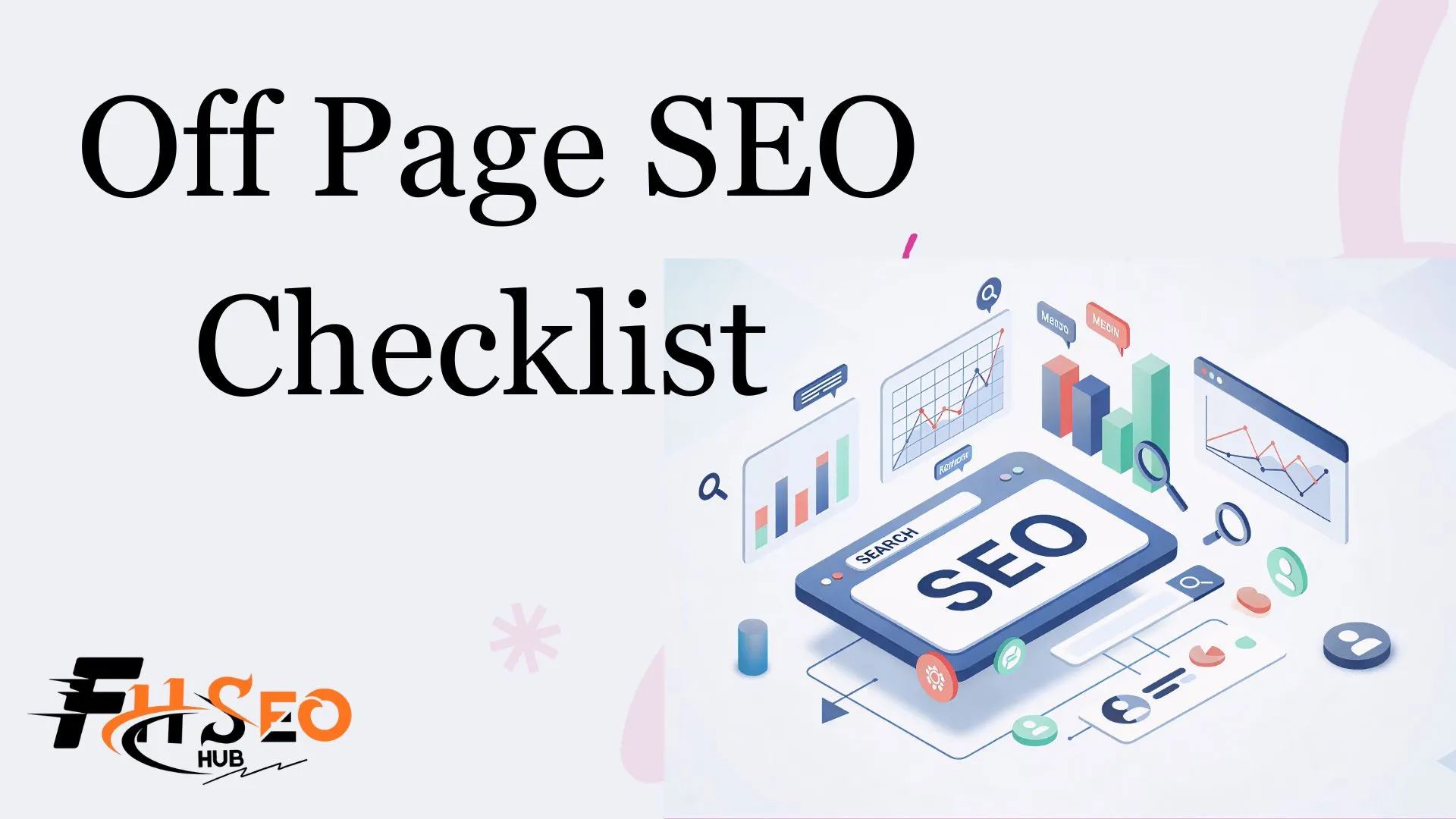
An off page SEO checklist covers everything you do outside your website to build authority and improve search rankings. That means earning quality backlinks, growing brand mentions, engaging in online communities, managing local citations, and promoting content on social media. These external trust signals tell Google your site is credible and worth ranking.
But here is the problem. Most people treat off page SEO like it starts and ends with link building. It does not. In 2026, Google weighs brand signals, E-E-A-T indicators, and your visibility in AI tools like ChatGPT and Perplexity when determining authority. The sites winning right now build reputation everywhere, not just collect backlinks.
This is the off page SEO checklist I follow for every project.
What Is Off Page SEO and Why Does It Still Matter?
Off page SEO refers to all the optimization work that happens away from your website. While on page SEO focuses on content, internal links, and meta tags, off page optimization focuses on external signals that prove your site deserves to rank. The biggest off page ranking factors include backlinks from authoritative websites, brand mentions, social signals, online reviews, and local citations.
Google uses these signals to measure E-E-A-T (Experience, Expertise, Authoritativeness, Trustworthiness). And off page signals now also affect whether AI platforms like Google AI Overviews, ChatGPT, and Perplexity reference your brand.
Off Page SEO vs On Page SEO
On page SEO covers what you control on your site: content, meta tags, internal links, page speed. Off page SEO covers the external signals: backlinks, brand mentions, reviews, social engagement. On page makes your site worth ranking. Off page makes Google trust it enough to rank. You need both.
The Complete Off Page SEO Checklist (Step by Step)
1. Audit Your Backlink Profile
Before you build anything new, you need to know what you are working with. Your backlink profile is the collection of all external links pointing to your site, and its health directly affects your rankings.
Open Google Search Console and check your links report. Then run your domain through Ahrefs or Moz to get a clearer picture. Look at referring domains, domain authority scores, anchor text distribution, and the ratio of dofollow to nofollow links. If you spot toxic backlinks from spammy or irrelevant sites, use Google’s disavow tool to clean things up. A healthy backlink profile is the foundation for everything else.
2. Analyze Competitor Backlinks to Find Gaps
Your competitors are ranking above you for a reason. Their backlink profiles often reveal that reason.
Use a link gap analysis tool (Ahrefs, SEMrush, or Moz all have one) to compare your referring domains against your top three competitors. The tool shows which websites link to them but not to you. Those are your outreach targets. Pay attention to the type of content earning those links.
3. Build High Quality Backlinks That Count
Not all backlinks are equal. A single editorial link from a high authority site in your niche does more for your rankings than fifty links from random directories. Quality, relevance, and context matter.
Here are the link building tactics that still work in 2026.
4. Earn Brand Mentions and Build Brand Signals
Google does not just count links. It counts reputation. Brand mentions (even without a hyperlink) send trust signals that influence both traditional rankings and AI search visibility.
The more your brand gets talked about across the web, the more Google associates it with authority. This ties directly into E-E-A-T. Brand mentions also drive branded searches, which both the Navboost algorithm and AI platforms reward with better visibility.
Ways to earn brand mentions: publish press releases when you have something newsworthy, appear on industry podcasts and webinars, launch user generated content campaigns, and contribute expert quotes through journalist request platforms. Monitor your mentions using Google Alerts or Brand24 so you can convert unlinked mentions into backlinks.
5. Show Up in Forums and Online Communities
Reddit is now one of the most cited domains in AI Overviews and AI Mode. Quora threads show up in search results for thousands of queries. If you are not present in these conversations, you are invisible to a growing chunk of search traffic.
But forum engagement is not about dropping links everywhere. That gets flagged as spam. The approach that works: find subreddits and niche forums relevant to your industry, answer questions with genuine expertise, and share links only when they add real value.
6. Optimize for Local SEO
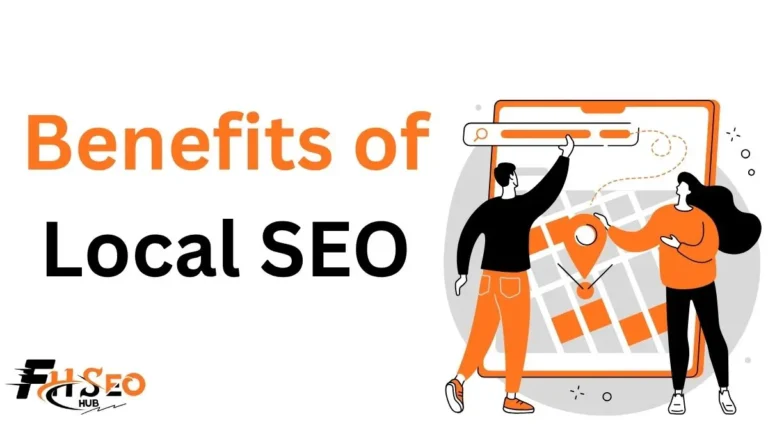
If you run a local business, off page SEO has a local layer that matters just as much as backlinks. Your Google Business Profile, local citations, and online reviews all influence whether you appear in the local pack and Google Maps results.
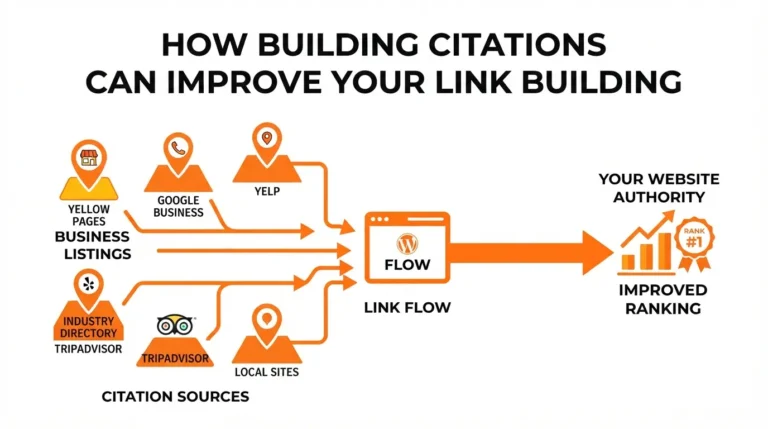
Start with your Google Business Profile. Make sure your business name, address, phone number, website, and hours are accurate. Then check that your NAP (Name, Address, Phone) information is consistent across every local directory: Yelp, Tripadvisor, Apple Maps, and industry specific listings. Encourage customers to leave reviews and respond to every one. Review volume, recency, and sentiment all feed into local ranking signals.
7. Promote Content Through Social Media
Social signals are not a direct ranking factor. But social media promotion matters for off page SEO because it drives traffic, increases content exposure, and creates opportunities for backlinks.
When your content gets shared on LinkedIn, X (Twitter), Facebook, or Pinterest, it reaches people who might link to your resource from their own sites. Social amplification is the first step in the chain that leads to natural backlinks. Focus on the platforms where your audience is active. Repurpose blog content into short videos or discussion threads. A single LinkedIn post that sparks a real discussion can do more for your off page SEO than a dozen automated shares.
8. Collaborate with Influencers and Industry Voices
Partnering with respected voices in your industry puts your brand in front of engaged audiences who trust those voices. That leads to branded searches, mentions, and backlinks.
You do not need celebrity level influencers. Micro influencers with smaller but engaged audiences often drive stronger results. Find people whose content aligns with your niche and look for collaboration opportunities: co created content, interviews, podcast appearances, or joint webinars. These partnerships lead to branded searches, mentions, and backlinks over time.
9. Track and Measure Your Off Page SEO Progress
Off page SEO is slow. You will not see results next week. But you need to track progress so you know what is working and what needs adjusting.
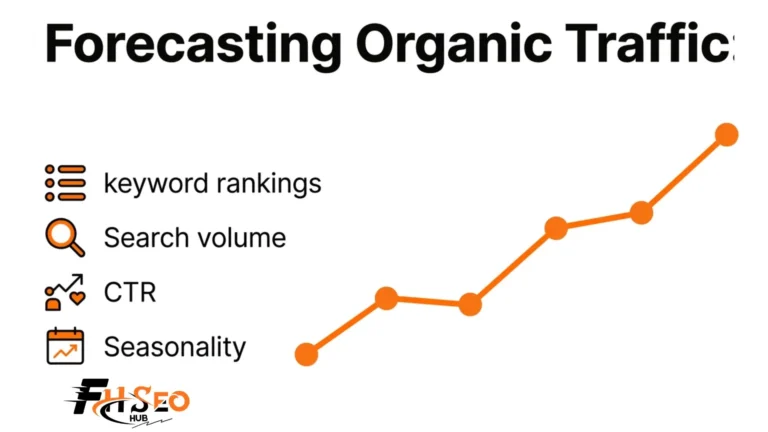
The metrics that matter: referring domains count and quality, referral traffic from external sites (Google Analytics), brand mention volume over time and domain authority trends. Set a baseline before you start, then compare monthly.
Off Page SEO Tactics That Are Dead in 2026
Some tactics will actively hurt your site now. Stop doing these:
If someone is still pitching you these tactics, walk away.
How Long Does Off Page SEO Take to Show Results?
Expect 3 to 6 months before you see meaningful movement in domain authority. For competitive keywords, ranking improvements can take 6 to 12 months. That is not a reason to delay. Off page SEO compounds over time. The backlinks you earn this month keep passing authority for years. The earlier you start, the bigger your advantage grows.
Off Page SEO Quick Reference Checklist
| Task | What to Do | Tools |
| Backlink Audit | Review link quality, disavow toxic links | Ahrefs, GSC, Moz |
| Competitor Analysis | Find link gaps and outreach targets | SEMrush, Ahrefs |
| Link Building | Guest posts, broken links, digital PR | Pitchbox, BuzzStream |
| Brand Mentions | Monitor mentions, convert to backlinks | Google Alerts, Brand24 |
| Forum Engagement | Reddit, Quora, niche communities | Manual monitoring |
| Local SEO | GBP optimization, NAP consistency | Moz Local, BrightLocal |
| Social Media | Content promotion, audience engagement | Buffer, Hootsuite |
| Influencer Outreach | Partner with niche creators | BuzzSumo, manual |
| Track Progress | Monitor DA, traffic, mentions monthly | GSC, Analytics, Ahrefs |
The Bottom Line
An off page SEO checklist is not something you run through once and forget. It is ongoing work: building authority, earning trust, and expanding your brand presence across the web. The sites ranking on page one invest in backlink quality, brand reputation, community engagement, and local visibility at the same time. So you start with a backlink audit. Fix what is broken. Then build outward. Every mention, every quality link, and every genuine forum interaction adds to your authority. Do this consistently and the rankings follow.
FAQs
What is off page SEO and why does it matter?
Off page SEO covers all the optimization work done outside your website to build authority, trust, and visibility. It matters because Google uses external signals like backlinks, brand mentions, and reviews to decide how credible and authoritative your site is.
What are the most effective off page SEO techniques in 2026?
Earning high quality backlinks through guest posting and digital PR, building brand mentions through thought leadership, engaging in Reddit and niche forums, optimizing your Google Business Profile, and collaborating with micro influencers.
How do I build backlinks without buying them?
Create linkable content others want to reference: original research, free tools, or in depth guides. Use broken link building on target sites. Pitch guest posts to industry blogs. Find unlinked brand mentions and ask for a link. Run digital PR campaigns with newsworthy angles.
Does social media directly affect SEO rankings?
Social media is not a direct ranking factor. But it amplifies your content reach, drives referral traffic, and creates opportunities for others to discover and link to your work. The indirect impact on off page SEO is significant.
Is off page SEO still relevant with AI search and AI Overviews?
More than ever. Brand authority, mentions, and backlinks all influence whether AI platforms like ChatGPT, Perplexity, and Google AI Overviews reference your brand. The sites with strong off page signals show up in AI responses.
How often should I audit my backlink profile?
Run a full backlink audit at least once a quarter. If you are actively building links or operating in a competitive niche, monthly checks help you catch toxic links early and track progress.
What is the difference between off page SEO and link building?
Link building is one part of off page SEO. It also includes brand mention building, social media promotion, forum engagement, influencer collaboration, review management, and local citation work.
What tools should I use for off page SEO?
For backlink analysis: Ahrefs, Moz, SEMrush, and Google Search Console. For brand monitoring: Google Alerts and Brand24. For outreach: Pitchbox and BuzzStream. For local SEO: Moz Local and BrightLocal.