AI SEO Agents and Agentic Workflows for SaaS Teams

SEO teams at SaaS companies spend a surprising share of their week on research, reporting, and repetitive analysis rather than strategy. Keyword lists, competitor breakdowns, and audit reports still get assembled by hand in most organizations. AI is now moving past simple text generation into something more useful for this problem: agentic workflows that carry a task from start to finish.
What Are Agentic Workflows?
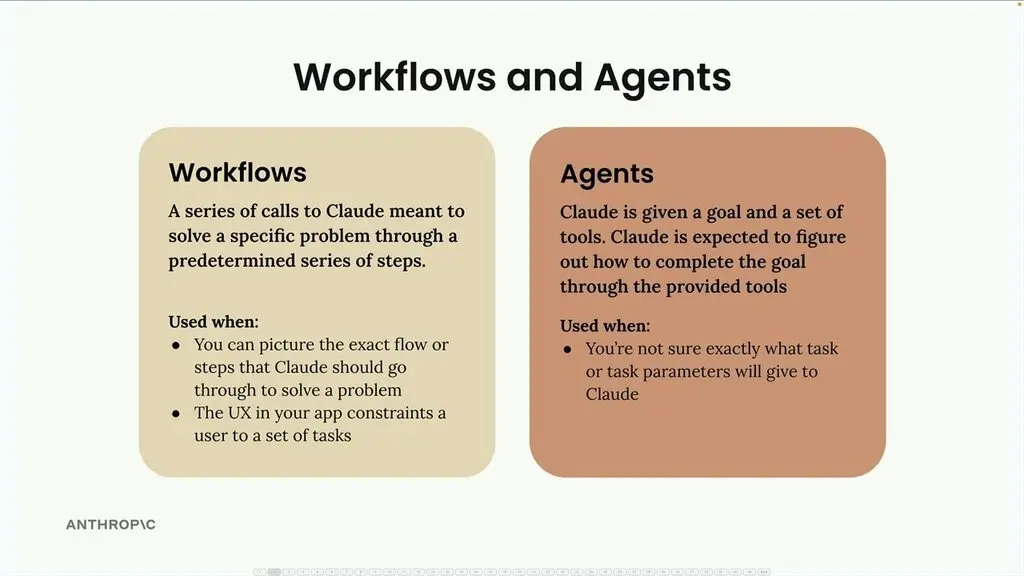
An agentic workflow is a multi-step process where an AI system follows a defined sequence of actions to complete a task, rather than producing a single response to a single prompt. Instead of asking AI to “suggest some keywords,” a SaaS team can run a workflow that pulls keyword data, groups terms by search intent, checks how competitors rank for the same terms, and turns the output into a content brief — all in one pass. The value isn’t a smarter answer; it’s fewer manual steps between data and a usable deliverable.
How AI SEO Agents Help SaaS Teams
A handful of recurring SEO tasks map well onto this model:
The common thread with these AI SEO agents and AI tools is that they handle the repetitive middle of the process — data collection and structuring — so a human can spend more time on judgment calls: which pages to prioritize, which angles to pursue, which results actually matter for the business.
Where Link Building Fits In
AI workflow automation is good at telling a team what to build and where the opportunity is. It’s less useful for the part that comes after: earning the authority needed to actually rank for that opportunity. A content gap analysis can surface twenty pages worth building, but most of them still need backlinks to compete in crowded SERPs. This is where link builting and guest posting campaigns continue to do work that no workflow replaces — AI can help decide what deserves investment, but link building is still what helps those pages earn the authority to rank.
Example: Stus AI by Serpstat
Stus.ai by Serpstat is one example of this kind of tool in practice. Built on Serpstat’s existing SEO data infrastructure, it runs structured workflows for keyword research, competitor analysis, content gap analysis, audits, and reporting — producing exportable reports rather than open-ended chat answers. It’s a useful reference point for what an AI workflow automation tool looks like when it’s built on real ranking and backlink data rather than general-purpose AI output alone.

Final Thoughts
Agentic workflows make SEO research more repeatable and less dependent on manual spreadsheet work. They’re genuinely helpful for research and first-pass execution, but they don’t replace human review of priorities, messaging, or quality. And they don’t replace link building — AI can tell a team what’s worth building; earning rankings for it still depends on authority signals that come from outside the workflow itself.


