Quora SEO for SaaS: How to Rank Answers and Drive Sign-ups


Quora SEO for SaaS means writing Quora answers that rank in Google and AI search for questions your buyers ask, then guiding readers to a sign-up or demo. Done well, it builds referral traffic and trust with a high-intent audience.
Most SaaS teams try Quora once, drop a link, and see nothing. The problem is the approach, not the platform. Quora rewards useful answers on the right threads, then sends traffic you can track.
Why Quora SEO Matters for SaaS Growth
Quora threads often appear in Google results for comparison, “best tool,” and how-to questions. A strong answer can bring referral traffic for months after you write it. For Quora SEO for SaaS, that matters because buyers research problems long before they book a demo, and Quora is one of the places they ask. Unlike a blog post, you don’t need to build authority from zero.
How Quora Answers Rank on Google and in AI Overviews
Google ranks Quora question pages, not individual answers, so your answer rides on the thread’s authority. Readers usually see the top answers first, which are shaped by upvotes and engagement. AI search tools such as ChatGPT, Perplexity, and Google’s AI Overviews also draw on forum and Q&A content, so a clear, well-structured answer can surface beyond Quora itself. That makes answer quality and clear structure matter more than answer volume.
Reaching a High-Intent Audience of Decision-Makers
People who ask “which project management tool works for remote teams?” are already shopping. Many askers and readers are founders, managers, and practitioners comparing options. Answering them puts your expertise in front of decision-makers at the exact moment they’re weighing a purchase. Many readers never comment or upvote, but they read, compare, and remember which brand gave the most practical advice.
Content Marketing Quora: Where Q&A Fits Your Strategy
Quora works best as a distribution and research channel inside your wider content marketing plan, not a replacement for your blog. Treat it like Reddit and other communities: a place to answer real questions, share expertise, and learn what buyers care about. Your best answers can point to deeper resources on your site, while questions you see repeatedly feed your editorial calendar. Think of it as part of search everywhere optimization, where you show up in the places buyers search, not only on Google.
What Is Content Marketing Quora Users Actually Ask About?
Searches like “what is content marketing quora” show people want plain-language explanations from practitioners. Users ask for definitions, tool recommendations, pricing comparisons, and honest “is it worth it?” opinions. For SaaS, the most useful threads compare tools, ask how to solve a workflow problem, or request setup advice. Those map closely to your product’s use cases. Answer them with practical detail, and readers start to see your team as the expert on that problem.
Setting Up a Quora Profile That Builds Credibility
Your Quora profile is the first thing readers check after a good answer. It decides whether they trust you, follow you, or click through to your site. Quora’s own business guidance recommends a clear photo or logo, a short tagline, and a brief bio. Answers that promote a product should come from a profile clearly tied to that business. Individual team members usually earn more trust than a brand account.
Writing a Bio and Credentials That Show Expertise
Your credential line appears beside each answer, so make it specific to the topic. “Head of Growth at [Product], 8 years in B2B SaaS” says more than “Marketer.” Add topic-specific credentials for different subjects. In the full bio, state what you do, who you help, and link to your site. Keep brand identity consistent with your other profiles so readers recognize you.
Following Quora Topics That Match Your Product
Follow Quora Topics tied to your product category, your buyers’ roles, and the problems you solve. Your feed will then surface relevant questions daily. Add topic credentials where possible, since they strengthen expertise signals on each answer. Unfollow topics that fill your feed with irrelevant questions.
Finding Questions With Long-Tail Keywords and Traffic Potential
Not every question deserves an answer. Prioritize threads that already rank in Google for long-tail keywords tied to your product, because those keep sending views. Look for questions with steady follower counts and answers that are weak, outdated, or missing. Avoid threads where the top answers are already detailed and highly upvoted unless you can add something new, such as first-hand data or a clearer walkthrough.
Using Ahrefs and Semrush to Spot Ranking Quora Threads
In Ahrefs or Semrush, run quora.com through the organic keywords report and filter by terms related to your product, such as your category or competitor names. You’ll see which Quora URLs rank and for which keywords. Sort by estimated traffic, then answer the threads that match your use cases and have room for a better answer. Recheck the list every quarter, because rankings shift.
Mining Pain Points and Content Gaps for Market Research
Quora is free market research. Read questions and comments for repeated pain points, objections, and phrases buyers use. Note the questions with no good answer anywhere, including your own blog. Those are content gaps. Share them with product and marketing so they shape content topic ideas, landing page copy, and feature messaging. Keep a simple log of questions, dates, and wording so patterns are easy to spot over time.
Answer Optimization: Structuring Replies That Rank
Good answers lead with the answer. Put a direct one or two sentence response first, then expand with steps, examples, or a short list. Use the question’s wording naturally in the opening line. Break long answers with short paragraphs and bold labels so they scan well on mobile. End with a short summary or a clear recommendation, since readers often skim to the bottom first.
Readability and a Conversational Tone
Write the way you’d explain it to a colleague. Use short sentences, plain words, and a conversational tone. Skip jargon unless the asker used it. Format with short paragraphs, numbered steps, and an occasional bolded phrase. Quora readers scroll fast, so the first lines decide whether they keep reading or upvote. Aim for complete answers that are easy to skim, usually a few hundred words.
Backing Claims With Personal Experience and Data
Quora rewards first-hand experience. Explain what you tried, what happened, and what you’d change. Add screenshots or specific numbers from your own work when you can share them. Cite sources for any outside data. This shows E-E-A-T qualities such as experience and expertise, and it separates your answer from generic replies or AI-written text. Readers can tell the difference quickly.
Placing a Call-to-Action Without Self-Promotion
Quora allows self-promotion only within a sincere, helpful, direct response. Disclose your connection to the product. Make the answer useful on its own, then add one relevant link at the end, such as “I wrote a full setup guide here.” Never make the answer depend on clicking through, and avoid affiliate links. Remember that every answer is a brand impression, even without a click.
Turning Referral Traffic Into a SaaS Sign-up Funnel
Views mean little if visitors bounce. These five steps turn Quora referral traffic into trials and demos, and show which answers earn their time.
Step 1: Link to a Matching Landing Page, Not the Homepage
Send readers to the page that continues the answer. If the question is about tracking time for freelancers, link to a guide or landing page on that exact use case, not your homepage. Match the headline to the question so visitors know they’re in the right place, and keep one clear next step visible above the fold.
Step 2: Tag Every Link With UTM Parameters
Add UTM parameters to every Quora link so you can separate it from other traffic. A simple pattern works: utm_source=quora, utm_medium=referral, and utm_campaign set to the topic or question. Keep naming consistent in a shared sheet so reports stay clean and you can compare answers. Use lowercase values to avoid duplicate rows in reports.
Step 3: Offer a Demo or Lead Gen Form at the Right Stage
Match the offer to intent. Readers of “what is” questions want education, so offer a template, checklist, or free trial. Readers of comparison questions are closer to buying, so offer a demo. If you run Quora Ads, Lead Gen Forms let users submit details without leaving Quora, then go to your landing page. Ask only for the fields you need, since each extra field adds friction.
Step 4: Track Conversion in Google Analytics
In Google Analytics, set sign-ups and demo requests as key events. Then filter by your Quora source and campaign tags to see which answers produce conversions, not just sessions. Review monthly. Answers that send few visitors but steady sign-ups deserve updates and more attention. Answers that send visits but no sign-ups may need a better matching landing page.
Step 5: Repurposing Top Answers Into SEO Content Briefs
Your best answers prove demand. Turn them into SEO content briefs for full blog posts, using the question as the working title and the answer’s structure as the outline. Add the follow-up questions from comments as H2s. Link the new post back from the answer, so readers who want more can find it.
Scaling Thought Leadership With Quora Spaces and Quora Ads
Once you have a steady rhythm of answers, two features help you scale. Quora Spaces let you build a community around your topic, where you publish posts, share answers, and invite contributors. Quora Ads let you promote content to people reading specific topics or questions. Promoted Answers can put an organic answer that already works in front of a larger audience. Start ad tests small and measure cost per sign-up against your other channels before increasing spend. Use your UTM naming for ad links, too.
Building a Knowledge Base Inside Your Own Space
A Space can work like a public knowledge base. Collect your best answers by theme, add short how-to posts, and pin the most useful ones. Invite customers or teammates as contributors to add user-generated content and different viewpoints. Follow Quora’s Spaces policies, since spam and excessive promotion can lead to removal. Update pinned posts whenever your product or advice changes, and remove outdated ones.
Quora Marketing Mistakes That Get SaaS Answers Buried
Most failed Quora programs make the same few errors. Low-effort answers get few upvotes, and policy violations can get answers collapsed or accounts restricted. These two mistakes cost SaaS teams the most visibility, and both are easy to avoid once you know them.
Spam Links and Black Hat Methods
Quora’s community guidelines treat irrelevant answers, repeated content, and vote manipulation as spam. Copy-pasting the same answer with a link across many threads gets answers collapsed. Buying upvotes or coordinating fake accounts risks a ban. Write fewer, better answers instead, and space out any links you include.
Expecting Nofollow Links to Pass Domain Authority
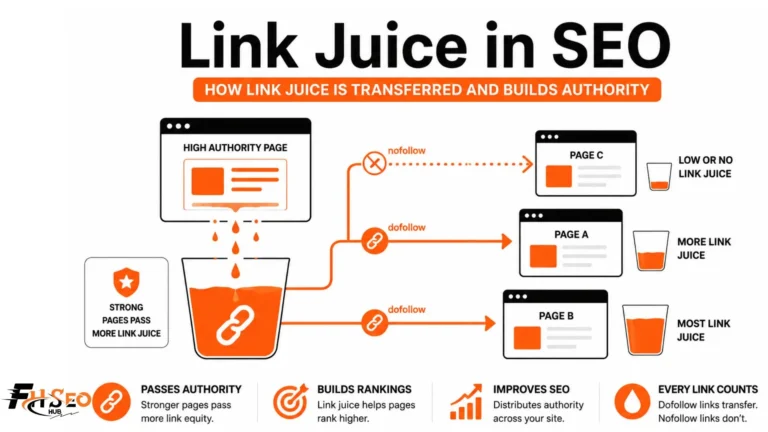
Outbound links in Quora answers are generally nofollow, so don’t expect them to pass meaningful authority or lift your domain rating. Treat Quora as a source of referral traffic, brand visibility, and research. Build authority links through other channels, such as guest posts and digital PR.
Start With Five Answers This Week
Quora SEO for SaaS rewards steady, useful answers. Pick five ranking threads tied to your product, answer them well, and tag every link with UTM parameters. Review sign-ups after a month and double down on what converts. For backlinks that do carry authority, our guest posting service is a good next step.
FAQs
Indirectly. Quora links are generally nofollow, so they don't pass much authority. But ranking Quora threads send referral traffic, build brand awareness, and can surface in AI search, which supports overall organic growth and brand searches.
No. Link only when a page directly helps the reader go deeper. Many answers should have no link at all. Quora treats repetitive self-promotional links as spam, and helpful link-free answers still build your profile, followers, and credibility.
Consistency matters more than volume. A few thoughtful answers each week on ranking threads usually beats daily low-effort posts. Track results monthly and keep updating answers that bring visitors and sign-ups over time.
It works best as a supporting channel. Ranking threads can deliver traffic for a long time, but you don't control the platform. Pair Quora with owned content, email, and authority-building links so growth doesn't depend on one site.