Real Estate Link Building: How to Earn Backlinks That Win Local Property Searches

Real estate link building means getting relevant websites to link to your agent, broker, or property management site. Good sources include local news sites, community groups, lenders, and industry blogs. Those backlinks show Google that people in your market trust you, and that helps you rank for local property searches.
Most agents either skip links entirely or buy cheap ones in bulk. Skipping them leaves good content unseen. Buying them wastes money and can put your rankings at risk.
Why Backlinks Matter So Much in Real Estate SEO
In real estate SEO, almost every agent in a city chases the same terms, and most agent sites carry similar content. Links from trusted local sites are one of the few signals that set you apart.
Competing With Property Portals Like Zillow and Realtor.com
Zillow and Realtor.com have enormous backlink profiles, and they own broad searches like “homes for sale in [city].” A handful of links won’t beat them there. Portals do a weaker job on narrower searches: neighborhood questions, school district comparisons, specific condo buildings, and relocation queries. Aim your link building at those pages first.
YMYL and E-E-A-T: Why Trust Signals Raise the Bar
Google treats home buying as YMYL (Your Money or Your Life) because the decisions involve a lot of money. That means the bar for E-E-A-T (experience, expertise, authoritativeness, and trust) is higher. Links from local media, your chamber of commerce, NAR-affiliated associations, and respected lenders help meet it. Links from unrelated overseas blogs don’t.
What Makes a Good Real Estate Backlink
A good real estate backlink comes from a real site that has real readers. It sits inside relevant content and points to a page on the same topic. For local sites, relevance often beats authority scores. A single link from your city newspaper usually does more for an agent than ten links from general blogs that have nothing to do with property.
Relevance, Domain Authority, and Referring Domains
Moz’s Domain Authority, Ahrefs’ Domain Rating, and Semrush’s Authority Score are third-party estimates. Google doesn’t use them. They’re useful for filtering out junk, but don’t treat them as a target. Count referring domains (unique sites linking to you) instead of total links. Twenty links from one site help far less than one link each from twenty relevant local sites.
Dofollow vs. Nofollow Links and Natural Anchor Text
Dofollow links pass ranking signals. Google treats nofollow, sponsored, and UGC links as hints it may or may not use. A natural backlink profile has a mix of both. Vary your anchor text: brand name, agent name, the bare URL, and descriptive phrases like “Austin condo market report.” Don’t repeat one keyword-stuffed phrase.
Local Citations vs. Editorial Links for Property Sites
Local citations are listings of your name, address, and phone number on directories and platforms. They support your local pack visibility. Editorial links are links a person chose to place inside their own content, and they build authority for organic rankings. Property sites need both. Get the citations done first, then put most of your effort into editorial links.
Google Business Profile, Yelp, and NAP Consistency
Start with Google Business Profile. After that, set up Yelp, your Zillow and Realtor.com agent profiles, your MLS member listing, and Bing Places. Keep NAP consistency exact, with the same business name, address, and phone format on every listing. A mismatched suite number or an old phone number makes Google unsure which listing is correct. Most of these links are nofollow, which is fine.
Chamber of Commerce and Community Sponsorships
A chamber of commerce membership usually comes with a directory link from a trusted local domain. Community sponsorships work the same way, since youth sports teams, school fundraisers, and charity runs often list sponsors on their sites. Competitors from out of town can’t easily copy these links, so they’re worth the effort.
Content Formats That Attract Links to Agent and Broker Sites
People link to useful local information. They rarely link to listings.
Neighborhood Guides and Relocation Guides
A good neighborhood guide covers commute times, schools, parks, price ranges, and what living there is like. Relocation guides also do well, especially ones aimed at people moving from a particular city or joining a big local employer. HR teams, relocation companies, and local bloggers link to them because the guides save their readers time.
Local Market Reports Built on Original Data
For most agents, a local market report built on original data is the most linkable asset they can make. Pull monthly or quarterly MLS figures for your area. Show median prices, days on market, and inventory trends in a format that’s easy to read. Local journalists and reporters need numbers for housing stories, and they cite sources they trust.
Infographics and Virtual Tours That Get Embedded
Bloggers and local outlets embed infographics on topics like local price trends or cost of living. Include embed code with a credit link back to you. Virtual tours of historic homes can also earn local news links.
Real Estate Link Building Strategies That Earn Placements
The strategies that work for property sites pair outreach with something worth linking to.
Guest Posting on Real Estate, Sales, and Business Blogs
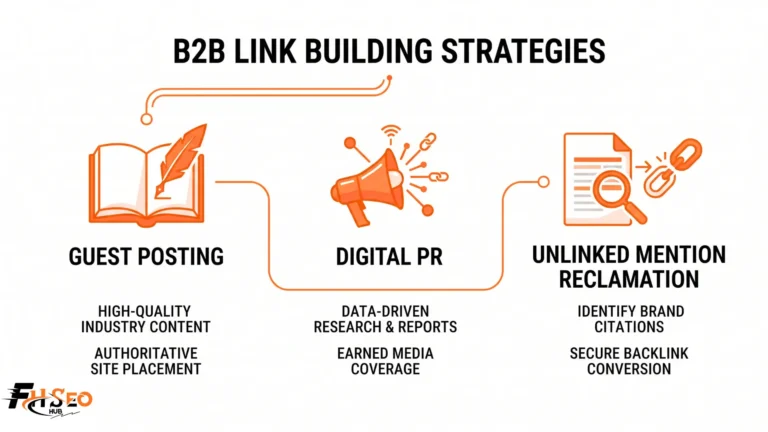
Guest posting still works on sites with an actual audience. Pitch real estate blogs, sales and business blogs, home improvement sites, and local lifestyle publications. Write about things you know firsthand, like negotiating in a tight market, mistakes first-time buyers make, or how investors size up a rental area. Avoid real estate guest posting sites that sell placements to anyone. Google’s spam policies cover paid links that aren’t marked sponsored.
Digital PR and HARO Pitches to Journalists and Reporters
Digital PR gives journalists a story or an expert quote they can use. HARO and similar services send out daily requests from journalists and reporters who need sources. Answer the housing and finance requests quickly with one specific, quotable point and your credentials. When prices or inventory shift, your local market data also makes a good pitch to regional news desks.
Partnerships With Mortgage Brokers, Home Stagers, and Local Businesses
You share clients with mortgage brokers, home stagers, inspectors, movers, and interior designers. Many of them keep a “trusted partners” or resources page. Offer to feature them on your site too, or build a buyer’s checklist together that you both publish. These local business partnerships bring relevant links and real referrals.
Niche Edits and Contextual Backlinks on Resource Pages
A niche edit adds your link to an article that already exists. The clean way to do it is to find a resource page or guide that lacks something you have, such as a newer market report, and suggest it to the owner. Contextual backlinks inside relevant content carry weight. Paid niche edits on unrelated sites carry the same risk as any other bought link.
A 6-Step Link Building Plan for Realtors
This plan works for realtors, brokers, and property managers who don’t have much time.
Step 1: Audit Your Backlink Profile in Ahrefs or Semrush
Pull your current links in Ahrefs or Semrush and check them against the links report in Google Search Console. Note your referring domains, your most-linked pages, and your anchor text mix. Flag anything that’s obviously spam. Only use the disavow tool if you have a manual action or a known history of bought links.
Step 2: Run Competitor Prospecting for Backlink Opportunities
Put two or three local competitors that outrank you into a backlink gap tool. List the sites that link to them but not to you. The local directories, sponsorship pages, and news sites on that list are your easiest competitor backlink opportunities.
Step 3: Build One Linkable Asset With Geo-Targeted Content
Pick one linkable asset and do it properly. That could be a quarterly market report, a detailed neighborhood guide, or a relocation guide. Make the geo-targeted content specific enough for a reporter or local blogger to cite as is. Keep it updated.
Step 4: Send Personalized Outreach Email Templates
Treat outreach email templates as a starting point only. Mention the person’s recent article and explain in one sentence why your resource helps their readers. Keep the email short and send one polite follow-up. Generic mass emails get ignored, and they can hurt your standing with local editors.
Step 5: Lock In Local Citations and Partner Links
Finish your core citations and check NAP consistency across all of them. Then ask your partners, your chamber, and sponsorship organizers for the links they offer.
Step 6: Track Link Velocity, Organic Traffic, and Leads
Track link velocity, meaning the number of new referring domains you earn each month. Watch organic traffic to the pages those links point to. Most of all, track organic leads in your CRM. If links bring rankings but no calls or form fills, they’re pointing at the wrong pages.
Mistakes That Waste Property Link Budgets
Four mistakes show up in real estate campaigns over and over.
Chasing Low-Quality Links and Spam Directories
Cheap link packages and spam directories make a report look busy without doing much. If you’re lucky, Google ignores them. If you’re not, they trigger a manual action that takes months to clean up.
Over-Optimized Anchor Text
When most of your links say “best realtor in Dallas,” Google sees a pattern that real people don’t produce. Use mostly branded and URL anchors and keep exact-match phrases rare.
Ignoring Local News Sites for National Placements
National real estate sites look impressive in a report. A local agent usually gets more from the city paper, local TV station websites, and neighborhood blogs, because they send local signals and local readers.
Expecting Results in Weeks Instead of Months
Google has to crawl and count new links before rankings move. Plan for steady work over many months and review results each quarter, not each week.
Local Relevance First, Volume Second
Real estate link building works best when every link would make sense to a local buyer or seller. Sort out your citations and partner links, build one asset worth citing, and pitch the people who cover your market. A few trusted local links will do more than a big pile of irrelevant ones. If you’d rather hand off the outreach, the FHSEO Hub team does link building and SEO for local businesses, agents and brokers included.
FAQs
Vendor estimates vary. LinkMetrics says results usually appear within 2 to 4 months. LinkPanda puts local agents at 6 to 12 months and national property businesses competing with portals at 18 to 36 months. Low-competition neighborhood terms usually move first.
Yes, indirectly. Google ranks map pack results on relevance, distance, and prominence, and it names links as part of prominence. Local links, consistent citations, and Google Business Profile reviews together do the most for map pack visibility.
Yes, if it starts narrow. In its first few months a new site can earn citations, chamber and partner links, and sponsorship links. Add one strong local market report or neighborhood guide, and go after specific neighborhood searches before broad city terms.
No. Internal links help Google find your pages and see how they connect, and they spread authority your site already has. Backlinks bring in new authority from other sites. Link neighborhood guides to related listings and market reports so that authority reaches them.
Yes. Luxury real estate relies more on brand and press than on link volume. Go for coverage in regional lifestyle magazines, design and architecture blogs, and local business journals. A few links from respected, relevant sources suit luxury buyers better than wide directory coverage.